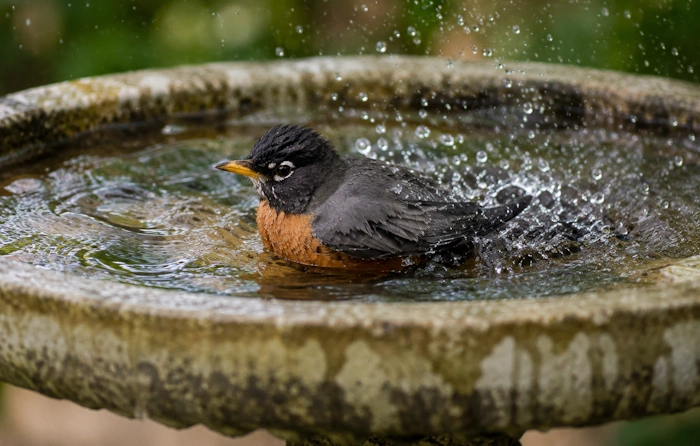
If you’ve ever watched a robin splash frantically in a puddle after a rainstorm or a goldfinch dip its head in a backyard bird bath, you’ve probably asked yourself: why do birds bathe in water? It’s a common sight for backyard birders, but far fewer people know that bathing is a critical, life-sustaining behavior for nearly all bird species, not just a fun way to cool off on a hot day.
Ornithologists have studied avian bathing habits for decades, and the research is detailed: every splash serves a specific biological purpose. From keeping feathers waterproof to warding off deadly parasites, bathing is as essential to birds as eating or sleeping. Below, we break down the 7 core reasons birds bathe, how to set up a bird bath they’ll actually use, and answer the most common questions from backyard birding enthusiasts. For deeper reading on avian behavior, we recommend reviewing avian-behavior.org, which informed much of this guide.
The 7 Core Reasons Birds Bathe in Water
1. Maintain Feather Waterproofing and Alignment
A bird’s feathers are made up of tiny barbs that hook together like Velcro to create a smooth, wind-proof surface. Over time, these barbs can become misaligned from flying, nesting, or foraging, letting water seep through to the bird’s skin. Bathing fluffs feathers up, allowing water to reach the base of each feather, so birds can realign barbs during post-bath preening.
Bathing also helps birds distribute oil from their uropygial gland (located at the base of the tail) evenly across their feathers. This preen oil is the secret to waterproofing: it repels water, keeps feathers flexible, and prevents breakage. Without regular bathing, preen oil can build up in clumps, leaving patches of feathers vulnerable to water damage and tearing.
2. Regulate Body Temperature (Thermoregulation)
Birds do not have sweat glands, so they cannot cool down by sweating like humans do. On hot summer days, a quick bath provides instant evaporative cooling: as water evaporates from wet feathers, it pulls heat away from the bird’s body, lowering its core temperature by up to 5 degrees Fahrenheit in just minutes.
You’ll notice far more bathing activity on days when temperatures top 75°F, especially for small songbirds that have higher metabolic rates and overheat more easily. Even desert birds like roadrunners will bathe in shallow puddles after rain to avoid heat stress.
3. Remove Deadly Ectoparasites
Feathers provide the perfect hiding spot for mites, lice, ticks, and fleas, which feed on birds’ blood and can transmit diseases like avian pox. A single feather mite can lay up to 30 eggs per day, so even a small parasite load can quickly become life-threatening for small birds.
Water dislodges parasites that cling to feather shafts, washing them away before they can reproduce. Regular bathing can reduce parasite loads by up to 70%, according to a 2018 study published in the Journal of Ornithology. Some birds even combine water bathing with dust bathing (rolling in dry dirt) to smother parasites that survive water alone.
4. Wash Away Debris and Contaminants
Birds pick up all kinds of debris in their daily lives: pollen, dust, soot from car exhaust, sap from trees, and even droppings from other birds. This debris weighs feathers down, makes flight more energy-intensive, and can irritate birds’ skin.
Water rinses away these contaminants quickly. For example, warblers that forage in pine trees often get sticky sap on their feathers, which they can only remove by bathing in water. Hummingbirds, which feed on sticky nectar, rely on mist baths to wash away sugar residue that can rot their feathers over time.
5. Support Healthy Molting
Molting, the process where birds shed old feathers and grow new ones, is energy-intensive and leaves birds vulnerable. New feathers grow in soft, waxy sheaths that cover the feather vanes. If these sheaths are not removed quickly, they can trap bacteria and prevent new feathers from unfurling properly.
Bathing softens these sheaths, making it easier for birds to preen them off during post-bath grooming. Birds that are molting will often bathe more frequently than usual to speed up the process and reduce irritation from tight sheaths.
6. Keep Skin Healthy
Bird skin is thin and sensitive, hidden under layers of feathers. Dry, flaky skin can lead to itching, cracking, and bacterial infections, especially in dry climates or during winter when indoor heating dries out the air.
Bathing moisturizes the skin, preventing irritation and reducing the urge to scratch, which can pull out healthy feathers. Birds that live in arid regions will often bathe in dew-covered grass or shallow puddles first thing in the morning to rehydrate their skin.
7. Reinforce Social Bonds
Many flocking bird species, including sparrows, starlings, and finches, bathe in groups of 10 or more. This social bathing behavior reinforces flock hierarchies, reduces stress, and helps young birds learn proper bathing techniques by watching older flock members.
Group bathing also provides safety in numbers: while birds are distracted by splashing, a flock member can keep watch for predators, reducing the risk of being caught off guard while their feathers are wet and flight is impaired.
How to Set Up a Bird Bath Birds Will Actually Use
Now that you know why birds bathe, you might want to set up a bird bath in your backyard to attract more visitors. Not all bird baths are created equal, and birds are picky about where they bathe. Follow these tips to create a safe, appealing bathing spot.
Choose the Right Size and Depth
Most songbirds prefer shallow water no deeper than 2 inches. Deeper water can be dangerous for small birds, which may struggle to get out if they slip. Look for bird baths with sloped sides, so birds can wade in slowly. For recommendations on stable, shallow options, check out our guide to the best bird baths for small and large backyards.
Avoid decorative bird baths with deep basins or steep sides. If you already have a deep bird bath, add a flat rock or two in the center to give birds a shallow perch to stand on while bathing.
Add Moving Water
Birds are attracted to the sound and movement of running water, which signals that the water is fresh and safe. You can add a small solar fountain, a dripper, or even a shallow mister to your bird bath to make it more appealing. Moving water also reduces mosquito breeding, since mosquito larvae cannot develop in moving water.
Prioritize Safety and Cleanliness
Place your bird bath in an open area, at least 10 feet away from dense shrubs where predators like cats can hide. Keep it 3-4 feet off the ground on a pole to deter raccoons and squirrels from drinking or knocking it over. Most importantly, keep the water fresh and clean.
Stagnant water grows algae and harbors bacteria like Salmonella, which can kill birds that drink or bathe in it. Change the water every 2-3 days, and scrub the basin with a stiff brush once a week. For a full step-by-step walkthrough, follow our guide to cleaning your bird bath safely to avoid using harsh chemicals that can harm birds.
Common Bird Bathing Myths Debunked
There’s a lot of misinformation floating around about bird bathing habits. Let’s clear up the most common myths to help you better support the birds in your backyard.
- Myth: Birds only bathe when it’s hot. Fact: Birds bathe year-round, even in winter. On warm winter days, birds will bathe in melted snow or shallow puddles to maintain feather health. Cold water does not hurt birds, as their feathers repel water and keep their skin dry.
- Myth: Birds bathe for fun. Fact: While birds may seem to enjoy splashing, bathing is a survival behavior, not a recreational activity. Birds that cannot bathe regularly are more likely to develop feather damage, parasite infestations, and heat stress.
- Myth: You should add soap to bird baths to clean them. Fact: Soap residue is toxic to birds, even in small amounts. Always clean bird baths with plain water and a stiff brush, or a 1:10 solution of white vinegar and water for stubborn algae.
- Myth: All birds bathe in open water. Fact: Some birds, like owls and woodpeckers, prefer to bathe in falling water, like dripping faucets or mist from fountains. Others, like grouse, only use dust baths and never bathe in water.
Frequently Asked Questions
Do all birds bathe in water?
No, not all birds use water baths. Ground-dwelling birds like grouse, quail, and turkeys prefer dust baths, which smother parasites and absorb excess oil from their feathers. Some tropical birds, like antbirds, follow army ant swarms to bathe in the disturbed dew on leaves, rather than using open water.
How often do birds bathe?
Most songbirds bathe daily, if water is available. Birds that live in arid regions may only bathe once a week, when water is scarce. During molting season, birds may bathe 2-3 times per day to soften feather sheaths.
Can birds bathe in cold water?
Yes, birds can safely bathe in cold water, even near-freezing water. Their feathers are highly waterproof, so their skin stays dry and warm even when the water is cold. Avoid breaking ice in bird baths, however, as the sudden temperature change can shock birds. Instead, provide a fresh source of cold water daily in winter.
Should I put rocks in my bird bath?
Yes, adding 1-2 flat rocks to your bird bath serves two purposes: it gives small birds a shallow perch to stand on, and it gives birds traction to avoid slipping on slick basin surfaces. Make sure rocks are stable and won’t tip over if a bird lands on them.
Why do birds shake so much after bathing?
Birds shake vigorously after bathing to fluff their feathers back into alignment and remove excess water. This shaking can expel up to 90% of the water from their feathers in seconds, reducing the time they spend with wet, heavy feathers that impair flight.
Conclusion
Understanding why do birds bathe in water helps you become a better backyard birder, and gives you the tools to create a safe, welcoming space for local bird populations. Bathing is not a luxury for birds: it’s a critical part of their daily survival routine, impacting everything from feather health to parasite prevention.
To get started, pick a shallow, stable bird bath, place it in an open, safe spot, and commit to changing the water every 2-3 days and scrubbing it weekly. Within days, you’ll have a steady stream of feathered visitors splashing away, and you’ll know exactly why they’re doing it. For more tips on supporting backyard birds, explore our other birding guides, and refer to Audubon’s avian research for the latest ornithological findings.
Hassan is a lifelong backyard birding enthusiast and the creator of Birdhouse Tales. Turning a passion for nature into a mission, they spend their days designing bird-approved DIY nesting boxes, testing squirrel-proof gear, and curating the best advice to help homeowners build safe wildlife sanctuaries. Whether you are trying to attract your first pair of bluebirds or looking for the perfect copper birdbath, Hassan provides practical, real-world guides to bring the joy of birdwatching right to your window.