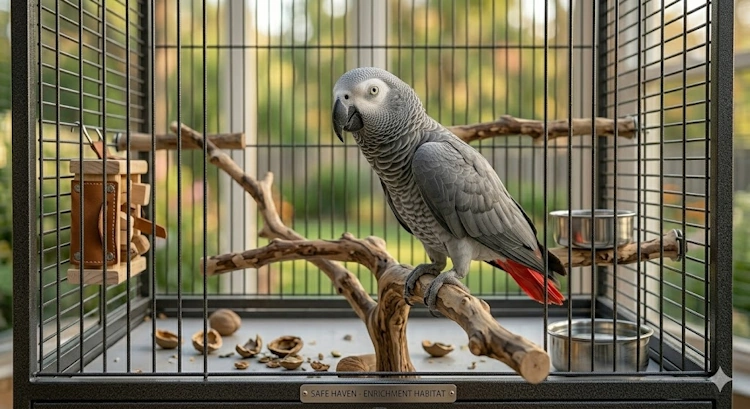
African grey parrots are among the most intelligent and captivating birds kept as pets. If you’re considering welcoming one into your home, you’ve likely asked yourself: Do African grey parrots need a cage? The short answer is a resounding yes. A cage isn’t just a container; it’s a central part of your parrot’s life that provides safety, structure, and a sense of territory. In this guide, we’ll explores why a cage is essential, what makes a good one, and how to create an environment where your feathered friend can thrive.
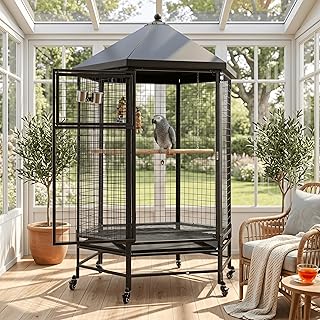
69\” Extra Large Bird Cage for Parrots, Heavy Duty Metal Aviary on Wheels with Rolling Stand & Slide-Out Trays for African Greys, Cockatoos, Conures, Macaws, Indoor Outdoor, Black
Check PriceWhy African Grey Parrots Need a Cage
Many new parrot owners wonder if a cage is truly necessary, especially if someone is home most of the day. However, even in a bird-friendly home, a cage serves several critical purposes that go beyond simple containment.
Safety and Security
First and foremost, a cage protects your African grey from household hazards. These birds are naturally curious and can easily get into trouble—chewing electrical cords, ingesting toxic foods, or flying into windows. A secure cage acts as a safe haven when you cannot directly supervise. It prevents accidents and keeps them away from potential dangers like other pets (cats or dogs) that might see a bird as prey.
A Place to Call Their Own
In the wild, African greys have large territories, but they also have roosting spots where they feel secure. A cage mimics this by giving them a designated “home base.” It’s where they can retreat to feel safe, sleep, and relax. Having a consistent space reduces stress and helps them feel more settled in a human household.
Sleep and Routine
Like all parrots, African greys need 10–12 hours of uninterrupted sleep each night. A cage allows you to cover it or place it in a quiet room to ensure a proper sleep cycle. It also helps establish a daily routine, which is crucial for these intelligent birds that thrive on predictability.
Choosing the Right Cage for Your African Grey

Yaheetech Extra Large Bird Cage 63” Open Play Top Bird Cage for African Grey Parrots/Amazon Parrot/Caiques/Macaw with 360° Wheels
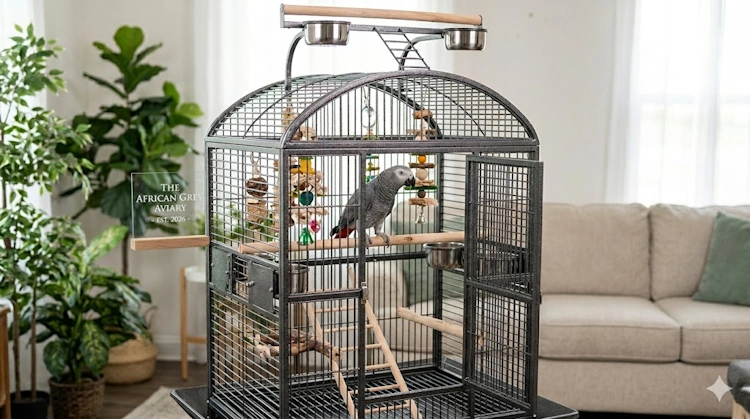
Check PriceNot just any cage will do. African greys are strong chewers with powerful beaks, so the cage must be durable, spacious, and thoughtfully designed. For a deep dive into specific models, check out our top picks for African grey parrot cages.
Size Matters
African greys are medium-to-large parrots that need plenty of room to move. The minimum recommended cage size is 36″ x 24″ x 48″ (width x depth x height), with bar spacing no wider than ¾ inch to prevent escape or injury. However, bigger is always better. Your bird should be able to fully extend its wings without hitting the sides or toys. For more details on dimensions, see our guide on understanding parrot cage dimensions.
Bar Spacing and Strength
The cage bars should be made of sturdy, non-toxic metal—stainless steel or powder-coated wrought iron are excellent choices. Avoid zinc or lead-based paints, which can be poisonous. The bars must be strong enough to withstand chewing; African greys can bend weaker metals. Horizontal bars are a plus because they allow the bird to climb like a ladder.
Cage Shape and Design
Rectangular cages are preferable over round ones because they provide corners where birds can feel secure. A cage with a playtop or an attached stand offers extra space for enrichment. Ensure the cage has multiple doors for easy access to food bowls and toys, and that the locks are secure—these clever birds can learn to open simple latches.
Placement in the Home
Where you put the cage is as important as the cage itself. Place it in a busy area (like a living room) so your parrot feels part of the family, but avoid kitchens (fumes from non-stick cookware can be fatal) and drafty windows. The cage should be at or slightly below eye level; birds feel vulnerable if placed too high, and too low can make them feel insecure. Ensure one side is against a wall so your bird has a sense of backing and safety.
Setting Up the Cage Environment

Extra Large Elegant and Durable Wrought Iron Climbing Ladder Perch Stand Play Top Ground Bird Parrot Metal Cage Around Seed Guard Storage Shelf with Heavy Duty Lockable Rolling Wheels
Check PriceA cage is more than four walls and a perch. It should be an enriching habitat that meets your African grey’s physical and mental needs.
Perches and Placement
Provide a variety of perches of different diameters and textures to exercise your bird’s feet and prevent arthritis. Natural wood branches are ideal. Place perches at different heights, but avoid positioning them directly over food or water dishes to minimize contamination. Include a “sleeping perch” in a cozy corner.
Toys and Enrichment
African greys are prone to boredom, which can lead to feather plucking and scream. Rotate toys weekly to keep things fresh. Include foraging toys that make them work for treats, destructible toys they can chew, and puzzle toys that challenge their intellect. Always ensure toys are safe and sized appropriately.
Feeding Stations
Use stainless steel bowls that attach securely to the cage bars. Provide separate dishes for pellets, fresh vegetables, and water. Some owners use a seed guard to minimize mess, but ensure it doesn’t restrict airflow. Clean food and water dishes daily.
Cleaning and Maintenance
A clean cage is vital for respiratory health. Line the bottom with newspaper or cage liners for easy changes. Wipe down bars and perches weekly with a bird-safe disinfectant. Deep clean the entire cage monthly, removing all accessories and scrubbing thoroughly.
Beyond the Cage: Exercise and Free Time
While a cage is necessary, it’s not meant to be a prison. African greys need several hours of supervised out-of-cage time each day to stretch their wings, socialize, and explore.
Supervised Out-of-Cage Time
Aim for at least 3–4 hours of interaction and free flight in a safe room. This is crucial for their physical health and mental well-being. Use a play gym or a designated bird stand outside the cage to encourage them to come out. Always supervise to prevent accidents.
Creating a Bird-Safe Room
Before letting your parrot out, bird-proof the area: cover windows, turn off ceiling fans, remove toxic plants, and secure any open water sources. Close doors to other rooms. Consider training your bird to recall or step up so you can guide them safely back to the cage when needed.
Common Cage-Related Mistakes to Avoid
Even well-meaning owners can make errors that compromise their bird’s safety or happiness. Here are pitfalls to watch for:
- Cage Too Small: A cramped cage leads to muscle atrophy and behavioral issues. Always prioritize width over height.
- Poor Bar Spacing: If the bars are too wide, a bird can get its head stuck; too narrow may limit climbing. Measure carefully.
- Wrong Materials: Avoid cages with galvanized metal that can chip and be ingested, or those with lead-based paint.
- Neglecting Mental Stimulation: A bare cage is a boring cage. Regularly update toys and perches.
- Isolating the Cage: Placing the cage in a isolated room can lead to loneliness and depression. Balance activity with quiet.
Frequently Asked Questions
Do African grey parrots need a cage if I’m home all day?
Yes. Even with constant supervision, a cage provides a necessary retreat and a consistent environment. It’s also essential for nighttime sleep and when you’re away. Think of it as their bedroom, not a jail.
Can I let my African grey roam free in the house instead of using a cage?
This is strongly discouraged. Free-roaming birds face countless hazards—from ceiling fans to open toilets—and can be difficult to retrieve. A cage ensures their safety when you cannot watch them every second.
How often should I clean my African grey’s cage?
Change the cage liner daily, wipe down surfaces weekly, and do a deep clean monthly. If your bird is dusty or molting, you may need more frequent spot cleaning.
What’s the best cage shape for an African grey?
Rectangular cages with flat tops or playtops are best. Round cages can cause anxiety because they lack corners for security, and they often provide less usable space.
Should I cover the cage at night?
Most African greys benefit from having their cage covered at night to signal bedtime and block out light. Use a breathable, dark cover and ensure the cage isn’t completely sealed—airflow is important.
Conclusion
So, do African grey parrots need a cage? Absolutely. But it’s not just about meeting a requirement—it’s about providing a sanctuary where your brilliant companion can feel secure, get quality sleep, and stay safe from household dangers. By choosing a spacious, well-made cage and enriching the environment inside and out, you’ll set the stage for a long, happy life together. Remember, a cage is just one part of responsible parrot ownership; combine it with plenty of out-of-cage time, mental stimulation, and love. For more expert advice on parrot care, consult resources from the World Parrot Trust, and explore our other guides to keep your feathered friend thriving.

Hassan is a lifelong backyard birding enthusiast and the creator of Birdhouse Tales. Turning a passion for nature into a mission, they spend their days designing bird-approved DIY nesting boxes, testing squirrel-proof gear, and curating the best advice to help homeowners build safe wildlife sanctuaries. Whether you are trying to attract your first pair of bluebirds or looking for the perfect copper birdbath, Hassan provides practical, real-world guides to bring the joy of birdwatching right to your window.