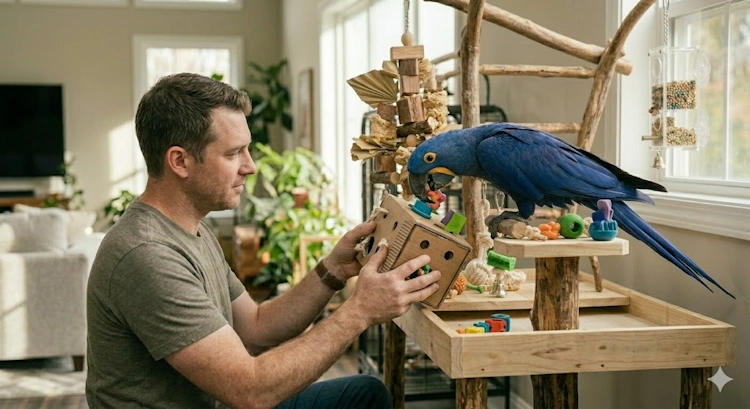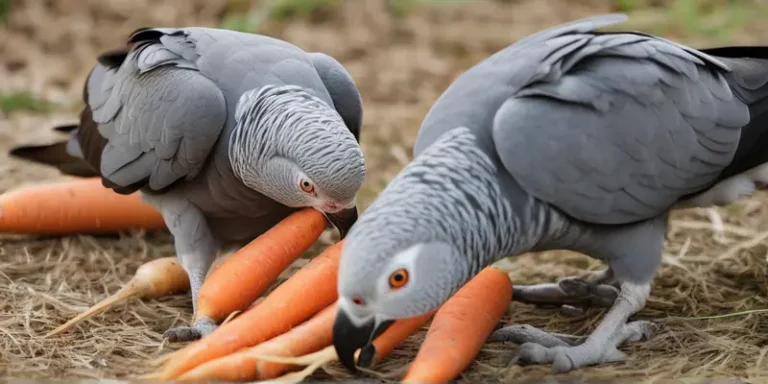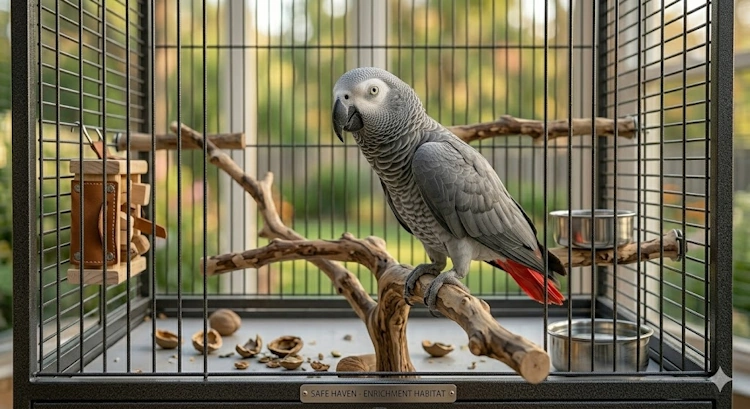
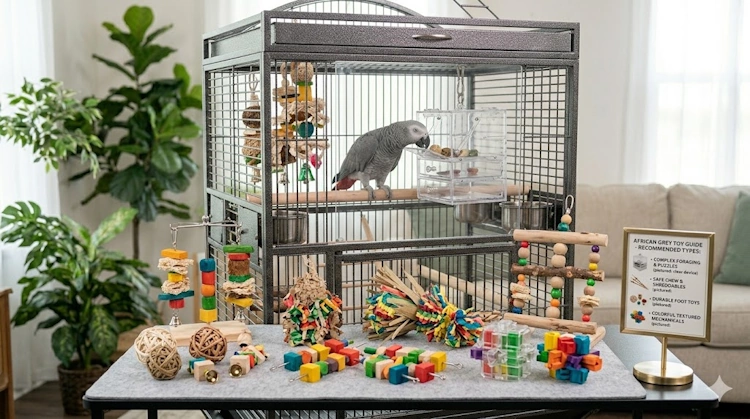
African Grey parrots are among the most intelligent bird species, known for their remarkable ability to mimic speech and solve complex problems. If you share your life with one of these feathered geniuses, you already know that keeping them mentally stimulated is not just a luxury, it’s a necessity. So, what toys do African Grey parrots love? The answer lies in understanding their natural instincts to chew, forage, and explore. In this guide, we’ll dive deep into the types of toys that will captivate your Grey, ensuring they stay happy, healthy, and out of trouble.

Natural Corn Cob & Loofah Slice Parrot Chew Toys
Check PriceWhy Toys Are Essential for African Grey Parrots
African Greys are not your average pet bird. Their high intelligence means they require constant mental engagement. Without it, they can develop destructive behaviors like feather plucking, excessive screaming, or chewing on things they shouldn’t, like your furniture or electrical wires. Toys serve several critical purposes:
- Mental Stimulation: Puzzles and foraging toys challenge their problem-solving skills.
- Physical Exercise: Climbing ropes, ladders, and swings keeps them active.
- Beak Maintenance: Chewing toys helps wear down their ever-growing beaks.
- Emotional Well-being: Interactive toys prevent boredom and loneliness.
Providing a variety of toys is just as important as providing a ideal cage setup for an African Grey. A spacious cage with room for toys and movement is the foundation, but the right toys turn that cage into an enriching playground.

Super Bird Creations SB1107 Bagel Cascade Bird Toy
Check PriceTypes of Toys African Grey Parrots Love
Chew Toys: Satisfying the Urge to Destroy
In the wild, African Greys spend a significant portion of their day chewing on bark, branches, and seed pods. This natural behavior helps keep their beaks in shape and relieves stress. Therefore, chew toys are often at the top of the list.
Look for toys made from bird-safe wood, such as pine, balsa, or untreated citrus wood. Natural fiber ropes (untreated cotton or hemp) and woven palm leaves also make excellent chewables. Avoid toys with small, easily ingested parts or those made from soft plastics, which can be toxic if chewed and swallowed.

Rypet Wooden Block Parrot Chewing Toy
Check PriceForaging Toys: Tapping into Their Inner Scavenger
Foraging is the act of searching for and extracting food. In nature, parrots spend up to 70% of their waking hours foraging. Foraging toys simulate this challenge by hiding treats inside compartments, wrapping them in paper, or requiring the bird to manipulate levers or doors.
Start with simple foraging toys, like a cardboard tube stuffed with shredded paper and nuts, and gradually increase the difficulty. Popular options include acrylic puzzle boxes, woven grass mats with hidden goodies, and toys that require untying knots.

BBjinronjy Natural Nut & Loofah Parrot Chew Toy
Check PricePuzzle Toys: Brain Teasers for Your Feathered Einstein
Given their exceptional intelligence, African Greys excel at solving puzzles. Toys that require multiple steps to access a reward are particularly engaging. Consider toys with sliding doors, spinning wheels, or interlocking parts. Some advanced puzzles even involve color or shape matching, which Greys can learn with patience.
Rotate puzzle toys frequently to keep the challenges fresh. If a puzzle becomes too easy, your bird may lose interest. The goal is to keep them guessing and working for their rewards.

Kewkont Natural Peppered Wood Parrot Toy
Check PriceShreddable Toys: The Joy of Making a Mess
There’s something deeply satisfying for a parrot in shredding materials into tiny pieces. Shreddable toys are often made from safe, destructible materials like cardboard, paper, corn husks, or vine balls. These toys are typically inexpensive and can be made at home, making them a staple in any Grey’s toy collection.
String together pieces of untreated cardboard, coffee filters, or even dried pasta to create a homemade shredding garland. Just be sure to supervise initial play to ensure your bird isn’t ingesting large amounts of the material.

Extra Large Natural Wood Parrot Toy
Check PriceMusical and Noise-Making Toys: For the Vocal Virtuoso
African Greys are natural mimics, and many enjoy toys that make sounds. Bells are a classic choice, but ensure they are bird-safe (no jingle bells with small slits that can trap toes). Toys with rattling parts, chimes, or even simple xylophones can provide hours of auditory entertainment.
Some Greys also enjoy “talking” to toys that record and play back sounds. However, be cautious with electronic toys; they should be durable and used under supervision to prevent chewing on wires.
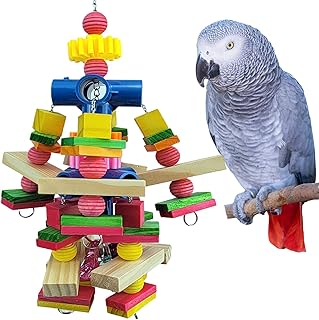
Natural Wood Parrot Chew Toy
Check PriceClimbing and Gym Toys: Building Strength and Agility
Parrots are natural climbers, and providing opportunities for vertical movement is crucial. Rope perches, ladders, swings, and boings (spiraled ropes) encourage exercise and exploration. Look for toys that can be attached to the cage bars or ceiling, creating a dynamic environment.
A bird gym, a freestanding play area with multiple perches, ladders, and toy attachments, can be a fantastic addition outside the cage, offering a change of scenery and more space to roam.

HZAKXIN Suspensible Xylophone Bird Toy
Check PriceMaterials to Look For (and Avoid)
Safety is paramount when selecting toys. African Greys are powerful chewers, so durability matters, but so does the toxicity of materials. Here’s a quick guide:
- Safe Materials: Untreated hardwoods (maple, birch, ash), vegetable-tanned leather, stainless steel, untreated rope (cotton, hemp), paper, cardboard, palm leaves, corn husks.
- Materials to Avoid: Soft plastics (can splinter and be ingested), zinc or lead-containing metals (toxic if ingested), treated wood or wood from toxic trees (cherry, oak, redwood), small, easily removable parts, bells with trap doors, and anything with glue or paint not certified bird-safe.
Regularly inspect toys for wear and tear. Replace any toy that has become damaged or poses an entanglement risk, especially with rope toys.
How to Choose the Right Toys for Your African Grey
Every African Grey has a unique personality. Some are timid and prefer soft, shreddable toys, while others are bold destroyers who need heavy-duty chews. Observe your bird’s play style to tailor your selections.
Consider these factors:
- Size Appropriateness: Toys should be large enough that they cannot be swallowed but small enough for the bird to manipulate.
- Variety: Offer a mix of textures, colors, and challenges. Rotate toys weekly to maintain novelty.
- Interaction Level: Some toys are designed for solitary play, while others encourage interaction with you. Both are important.
For a curated list of top-rated options, check out our guide to the best toys for African Grey parrots.
DIY Toy Ideas for African Grey Parrots
You don’t always need to buy expensive toys. Many household items can be repurposed into safe, engaging toys. Here are a few ideas:
- Cardboard Foraging Box: Take a small cardboard box, fill it with shredded paper and treats, and let your bird tear it open.
- Paper Roll Chains: Link together untreated paper rolls (from toilet paper or paper towels) to create a hanging chain.
- Natural Branch Mobile: Hang untreated branches, pinecones, and dried seed pods from a rope or cage bar.
- Food Kabobs: Thread large chunks of bird-safe vegetables or nuts onto a stainless steel skewer.
Always ensure that DIY materials are free from inks, adhesives, and chemicals. When in doubt, stick to plain, untreated materials.
How to Introduce New Toys to Your Parrot
African Greys can be naturally cautious of new objects, a behavior known as neophobia. To help your bird accept a new toy:
- Place the new toy near the cage (but not inside) for a few days so your bird can see and get used to it.
- Once inside the cage, initially place it farther from perches, then gradually move it closer to favorite spots.
- Demonstrate how the toy works by manipulating it yourself or placing a favorite treat on it.
- Be patient. Some birds may take days or even weeks to approach a new item.
Never force your bird to interact with a toy. Positive reinforcement, like praise or a small treat when they show curiosity, goes a long way.
Frequently Asked Questions
How many toys should an African Grey have at once?
Aim for at least 8–10 toys in and around the cage, but ensure there’s still plenty of room to move. Rotate them so only 4–6 are available at a time, swapping others in weekly to keep interest high.
Are there toys African Greys should avoid?
Yes. Avoid toys with small parts that can be chewed off and swallowed, toys with lead-based paints or galvanized metal (which contains zinc), and anything with hanging strings or loops that could entangle toes or beak. Also, mirrors can sometimes cause behavioral issues in parrots, so use them with caution.
How often should I replace my African Grey’s toys?
Inspect toys daily. Replace any that are damaged or excessively worn. Even intact toys should be rotated out every week or two to prevent boredom. A good rule of thumb: if a toy looks tattered and barely recognizable, it’s time for a new one.
Can I give my African Grey children’s toys?
Generally, no. Children’s toys are not designed with bird safety in mind. They may contain toxic paints, small parts, or materials that splinter dangerously. Stick to toys specifically made for parrots or DIY options using bird-safe materials.
Conclusion: Keep Your Grey Engaged and Thriving
Understanding what toys African Grey parrots love is about more than just entertainment; it’s about providing a fulfilling life for one of nature’s most intelligent creatures. By offering a diverse array of chew, forage, puzzle, and climbing toys, you’ll meet their physical and psychological needs. Remember to prioritize safety, observe your bird’s preferences, and keep things fresh with regular rotation.
For further reading on parrot enrichment and behavior, consult expert insights on African Grey parrot behavior from the World Parrot Trust. Combined with a stimulating environment and your loving attention, the right toys will help your African Grey flourish for decades to come.
Hassan is a lifelong backyard birding enthusiast and the creator of Birdhouse Tales. Turning a passion for nature into a mission, they spend their days designing bird-approved DIY nesting boxes, testing squirrel-proof gear, and curating the best advice to help homeowners build safe wildlife sanctuaries. Whether you are trying to attract your first pair of bluebirds or looking for the perfect copper birdbath, Hassan provides practical, real-world guides to bring the joy of birdwatching right to your window.