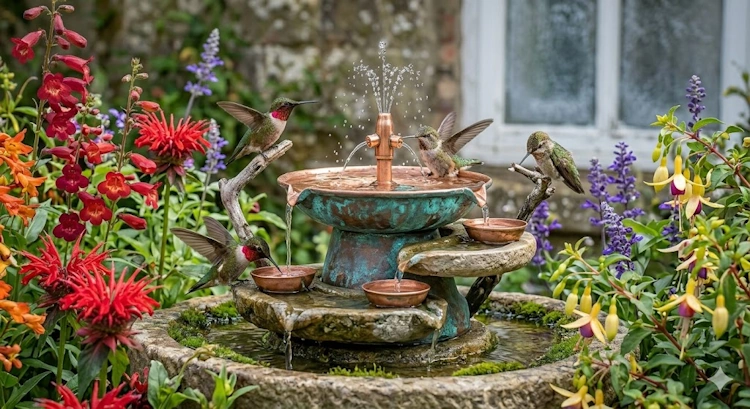
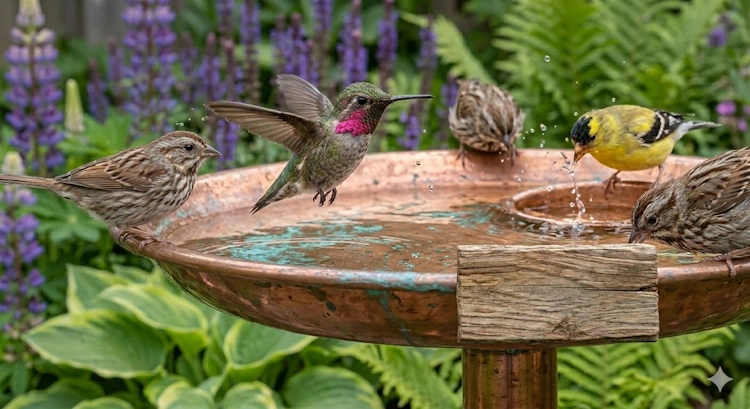
As a backyard birdwatcher with over a decade of experience, I’ve tested dozens of bird bath materials, including solid copper, in my own habitat. When I first bought a copper bird bath, my top question was the same as yours: are copper bird baths safe for birds? After years of observation, reviewing wildlife health research, and talking to local ornithologists, I’m here to share clear, actionable answers. Copper is a unique material with properties that make it both highly beneficial and occasionally concerning for backyard birds, so it’s smart to understand the full picture before adding one to your garden.

Good Directions BBG18 Copper Bird Bath, Includes Garden Pole, 18” Diameter Basin, Polished Copper
Check PriceAre Copper Bird Baths Safe for Birds? The Short Answer
The short answer is yes: solid copper bird baths are safe for birds, and in many cases safer than plastic, ceramic, or concrete alternatives. Copper’s natural antimicrobial properties keep water cleaner longer, reducing the risk of bacterial infections that can harm backyard flocks. However, there are a few caveats to keep in mind: copper-plated baths (with plastic or resin cores) are not safe, extremely acidic water can increase copper leaching, and hot summer sun can make copper bath water dangerously warm for small birds. When you choose a high-quality solid copper bath and follow basic maintenance rules, copper is one of the safest materials you can pick for your bird bath.
Why Copper Is a Popular Choice for Bird Baths

Good Directions 20″ Diameter Tranquility Birdbath, Pure Copper Basin, Bronze Finish, Durable Aluminum Base, Bird Bath
Check PriceNatural Antimicrobial Properties
Copper is one of the few materials that is naturally antimicrobial, meaning it kills bacteria, algae, and even mosquito larvae on contact. This property, called the oligodynamic effect, has been documented for centuries: ancient civilizations used copper vessels to store drinking water safely. For bird baths, this means water stays clean for longer without the need for harsh chemical cleaners, which can be toxic to birds. Cornell Lab of Ornithology’s research on bird bath safety notes that cleaner water reduces the spread of avian pox, salmonella, and other common bird diseases. Copper also inhibits algae growth, so you’ll spend less time scrubbing green slime off your bath than you would with plastic or concrete options.
Durability and Weather Resistance
Unlike plastic bird baths that crack in freezing temperatures, ceramic baths that shatter if tipped over, or concrete baths that erode after a few years, solid copper baths can last for decades. Copper does not absorb water, so it won’t crack during freeze-thaw cycles in winter. It also does not fade or degrade in direct sunlight, unlike plastic which becomes brittle and discolored after one season. Many copper bird baths develop a green patina (verdigris) over time, which is a natural protective layer that actually extends the life of the metal. I’ve had the same solid copper bath in my backyard for 6 years, and it still looks structurally sound, even after harsh Midwest winters.
Aesthetic Appeal
Copper fits into almost any garden style, from rustic cottage gardens to modern minimalist landscapes. New copper has a bright, warm metallic shine that catches the sun, and over time it develops a soft brown, then green patina that blends seamlessly with natural foliage. Unlike brightly colored plastic baths that can look out of place in a natural garden, copper ages gracefully and adds a subtle, high-end touch to your backyard habitat. Many birdwatchers choose copper specifically because it looks better the longer they own it, unlike other materials that look worn after a few months.
Potential Safety Concerns With Copper Bird Baths

Monarch Abode Deck Mounted Bird Bath & Bird Feeder for Outdoors – Pure Copper Hand Hammered Birds Bath Bowl
Check PriceCopper Toxicity in Birds
Copper is an essential mineral for birds, meaning they need small amounts to stay healthy. However, like any mineral, too much copper can be toxic. The good news? Research from wildlife health organizations indicates that copper leaching from solid copper bird baths rarely reaches toxic levels for birds, even in acidic water. Toxicity usually only occurs if birds ingest large pieces of copper, or drink water with extremely high copper concentrations (far higher than what leaches from a bird bath). Small songbirds are more sensitive to copper than larger birds like ducks or hawks, but even for small birds, the risk is negligible with proper maintenance. Symptoms of copper toxicity include lethargy, vomiting, and seizures, but these are almost unheard of in backyard birds using copper baths.
Hot Water Risks in Summer
Copper is an excellent conductor of heat, which means a copper bird bath sitting in direct afternoon sun can heat water to dangerous temperatures quickly. Water above 90°F (32°C) can cause heat stress in small birds, and water above 100°F (38°C) can scald their feet or be undrinkable. This is not a copper-specific issue (dark ceramic baths also heat up quickly), but it is a concern unique to metal baths. The fix is simple: place your copper bath in partial shade, especially during the hottest part of the day, or choose a deeper bath (3+ inches) where the bottom water stays cooler than the surface.
Sharp Edges and Corrosion
Old, corroded copper baths can develop sharp edges from dents or flaking patina, which can cut birds’ feet or wings. This is rare with high-quality solid copper baths, but it’s worth checking your bath regularly for sharp spots. You can sand down any rough edges with fine-grit sandpaper to smooth them out. As for verdigris (the green patina), it is copper carbonate, which is mildly toxic if ingested in large amounts. However, birds do not eat the bath itself; they only drink small amounts of water from it. Trace amounts of verdigris in water are not harmful to birds, and you can polish the patina off if you prefer the bright copper look.
Leaching in Acidic Water
Copper leaches faster into acidic water (pH below 6.5) than neutral or alkaline water. Acidic rain is common in areas with high air pollution or near pine forests, where fallen needles lower soil and water pH. If you live in an area with acidic rain, test your bird bath water with a cheap pH strip every few weeks. If pH is below 6.5, add a tiny pinch of baking soda to the water to raise the pH to a safe range (6.5-8.5). This reduces copper leaching to almost zero, even in very acidic conditions.
How to Make a Copper Bird Bath Safe for Birds

Good Directions BB-1 Heavy Gauge Pure Copper Birdbath, Bird Feeder, 13.5” Diameter, Hand-Forged Black Steel Stand
Check PriceChoose the Right Copper Bath
First, avoid copper-plated baths at all costs. These are cheap baths made of plastic or resin, with a thin layer of copper on top. The core material can leach toxic chemicals into water when heated by the sun, and the copper plating often chips, leaving sharp edges and exposing the plastic underneath. Always choose a solid copper bath, preferably 16-gauge or thicker, to avoid dents and flaking. For recommendations, check out our curated list of top-rated copper bird baths, which includes options tested for safety and durability.
Place It in a Shady Spot
As mentioned earlier, copper conducts heat, so avoid placing your bath in full direct sun, especially in summer. A spot that gets morning sun and afternoon shade is ideal. You can also place the bath near a bush or small tree that provides dappled shade throughout the day. If you only have full sun spots available, choose a bath with a built-in shade cover, or add a small umbrella over the bath during heatwaves.
Maintain Proper Water Depth and Freshness
Birds prefer shallow water, 1-2 inches deep, to avoid drowning. If your copper bath is deeper than 2 inches, add a flat rock or two in the center to give small birds a safe place to stand. Even though copper keeps water cleaner, you should still change the water every 2-3 days. Bird droppings, feathers, and debris can still contaminate water, and fresh water is more attractive to birds anyway. In summer, check water levels daily, as copper baths may evaporate faster than plastic ones due to heat conduction.
Clean the Bath Regularly
Even with copper’s antimicrobial properties, you should scrub your bath with mild dish soap and warm water every 1-2 weeks. Avoid bleach or harsh chemical cleaners, which can leave residue that harms birds. Use a soft brush to scrub off any built-up debris or patina, then rinse thoroughly with clean water before refilling. If you have a lot of algae growth (rare with copper, but possible in very sunny spots), add a small amount of white vinegar to your cleaning solution to break down algae without harming birds.
Test Your Water pH
If you live in an area with acidic rain, pick up a pack of pool pH strips (available at any hardware store) and test your bird bath water once a month. Aim for a pH between 6.5 and 8.5. If your water is too acidic, add a pinch of baking soda (sodium bicarbonate) per gallon of water to raise the pH. This simple step reduces copper leaching to undetectable levels, making your bath even safer for birds.
Copper Bird Baths vs. Other Materials: Safety Comparison

Monarch Abode Standing Bird Bath & Bird Feeder for Outdoors – Pure Copper Hand Hammered Birds Bath Bowl w/ 34-inch Detachable Iron Stand
Check PriceNot all bird bath materials are created equal when it comes to safety. Here’s how copper stacks up against common alternatives:
- Plastic: Cheap and lightweight, but plastic leaches toxic chemicals when heated by the sun, cracks in freezing weather, and harbors bacteria in scratches. It is the least safe material for bird baths.
- Ceramic: Attractive and heavy, but ceramic cracks in freeze-thaw cycles, chips easily to create sharp edges, and is porous, making it hard to clean bacteria out of. Glazed ceramic is safer than unglazed, but still less durable than copper.
- Concrete: Durable and heavy, but concrete is porous, so it absorbs bacteria and algae, requiring frequent scrubbing. New concrete can also leach lime into water, which can irritate birds’ digestive systems.
- Glass: Easy to clean, but breaks easily, and dark glass heats up just as fast as copper in the sun. Not recommended for high-traffic bird areas.
- Copper: Antimicrobial, durable, weather-resistant, and easy to clean. The only material that actively kills bacteria and algae, reducing the need for harsh cleaners.
Frequently Asked Questions
Is copper patina (green coating) toxic to birds?
Verdigris, the green patina that forms on copper over time, is copper carbonate. It is mildly toxic if ingested in very large amounts, but birds do not eat the bath itself, only drink small amounts of water from it. Trace amounts of verdigris in water are not harmful to birds. If you prefer the bright copper look, you can polish the patina off with a copper cleaner every few months.
Do copper bird baths kill mosquitoes?
Yes! Copper kills mosquito larvae within 24 hours of contact, which reduces the risk of West Nile virus and other mosquito-borne diseases for both birds and humans. This is a major bonus of copper baths, especially in areas with high mosquito populations.
Can baby birds use copper bird baths?
Yes, as long as the water is shallow (1-2 inches) so baby birds don’t drown. Copper is safe for birds of all ages, from tiny hummingbirds to adult robins. Adding a flat rock to the bath gives baby birds a safe place to perch while they drink or bathe.
Are copper-plated bird baths safe?
No, avoid these entirely. Copper-plated baths have a plastic or resin core that leaches toxic chemicals into water when heated, and the thin copper layer chips easily, leaving sharp edges. Stick to solid copper baths, like the options in our top-rated copper bird bath guide.
How often should I change the water in a copper bird bath?
Change water every 2-3 days, even if it looks clean. Bird droppings and debris can still contaminate water, and fresh water is more attractive to birds. In summer, check water levels daily, as copper baths may evaporate faster than other materials.
Conclusion
So, are copper bird baths safe for birds? Absolutely, as long as you choose a solid copper bath, avoid direct summer sun, and follow basic maintenance steps. Copper is one of the safest, most durable materials for bird baths, outperforming plastic, ceramic, and concrete in both safety and longevity. For more options across all materials, check out our guide to the best bird baths to find the perfect fit for your backyard. With a little care, a copper bird bath will provide safe, clean water for your feathered visitors for decades to come.

Hassan is a lifelong backyard birding enthusiast and the creator of Birdhouse Tales. Turning a passion for nature into a mission, they spend their days designing bird-approved DIY nesting boxes, testing squirrel-proof gear, and curating the best advice to help homeowners build safe wildlife sanctuaries. Whether you are trying to attract your first pair of bluebirds or looking for the perfect copper birdbath, Hassan provides practical, real-world guides to bring the joy of birdwatching right to your window.