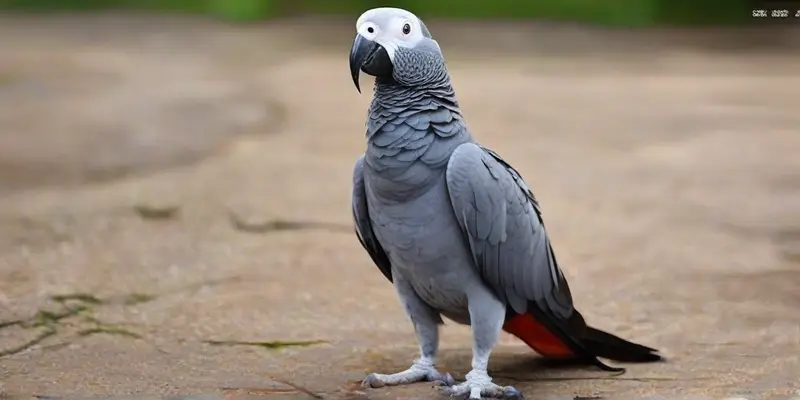
If you’re a new or experienced African grey owner, one of the most common questions you’ll ask is what African greys can eat to keep them healthy, active, and thriving for their 50+ year lifespan. These highly intelligent parrots have complex nutritional needs that go far beyond a simple seed mix, and getting their diet right is one of the most impactful things you can do for their wellbeing. For context, the average lifespan of an African grey parrot in captivity is 40 to 60 years, so building a sustainable, balanced diet early on will support your bird through decades of life.

ZuPreem Pure Fun Bird Food, Parrot, Conure, Caique, African Grey, Eclectus, Small Cockatoo, Seed and Pellet Blend for Medium Large Birds, Bird Food Mixer Topper, Enriching Variety (ML, 2 lbs)
Check PriceUnderstanding African Grey Nutritional Needs
Why Diet Is Critical for African Greys
African greys are prone to specific health issues tied directly to poor diet, including hypocalcemia (low calcium levels), vitamin A deficiency, obesity, and fatty liver disease. Unlike dogs or cats, parrots cannot process high-fat seed diets long-term: a seed-only diet is the leading cause of premature death in pet African greys. The Association of Avian Veterinarians notes that 90% of pet bird health issues stem from unbalanced nutrition, making diet the single most important factor in your grey’s health.
Beyond physical health, diet impacts your grey’s cognitive function. These parrots are as smart as 5-year-old humans, and nutrient deficiencies can lead to behavioral issues like feather plucking, aggression, and apathy. A varied, nutrient-dense diet supports their brain health, helping them maintain their famous talking and problem-solving abilities.
The Ideal Diet Ratio for African Greys
Most avian vets recommend a 60/30/10 split for adult African greys:
- 60% high-quality fortified pellets (not seed mixes)
- 30% fresh vegetables, leafy greens, and legumes
- 10% fresh fruit, healthy grains, and occasional protein treats
Juvenile greys (under 1 year) may need a slightly higher percentage of fresh food to support growth, but pellets should still make up the majority of their diet by 6 months old. Avoid free-feeding seed mixes: they are high in fat, low in nutrients, and most greys will pick out only their favorite high-fat seeds, leading to severe deficiencies.
Safe Foods: What Can African Greys Eat Daily
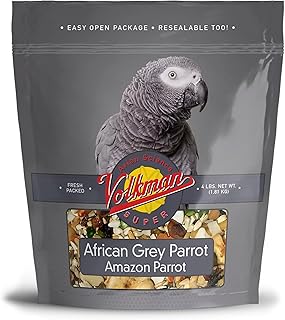
Volkman Avian Science Super African Grey Bird Food 4lb
Check PriceFortified Pellets (The Staple of Their Diet)
Pellets are formulated to provide complete nutrition for parrots, with balanced vitamins, minerals, and protein. Look for pellets with no added artificial colors, flavors, or preservatives. You can find options tailored to medium-sized parrots on our tested list of top commercial diets for African greys, which we update annually based on avian vet recommendations.
Transitioning from seeds to pellets takes time: mix 25% pellets with 75% seeds for the first week, then gradually increase the pellet ratio over 4-6 weeks until seeds are only an occasional treat. Never switch cold turkey, as greys may refuse to eat and develop health issues from starvation.
Fresh Vegetables (Daily Must-Haves)
Vegetables should make up the largest portion of your grey’s fresh food intake. Dark leafy greens are especially important for calcium and vitamin A:
- Kale, collard greens, Swiss chard, and dandelion greens (washed thoroughly)
- Orange and red veggies: carrots, sweet potatoes, butternut squash (cooked or raw, grated for easier eating)
- Cruciferous veggies: broccoli, cauliflower, Brussels sprouts (steamed lightly to aid digestion)
- Other options: bell peppers (all colors), green beans, peas, cucumber, zucchini
Avoid iceberg lettuce: it has almost no nutritional value and can cause diarrhea. Always wash vegetables to remove pesticides, even if they are organic.
Fresh Fruits (Moderate Portions)
Fruit is high in natural sugar, so limit portions to 1-2 tablespoons per day for adult greys. Safe options include:
- Berries: blueberries, strawberries, raspberries (high in antioxidants)
- Tropical fruits: mango, papaya, pineapple (remove tough skins and pits)
- Orchard fruits: apples (remove seeds), pears, peaches (remove pits), bananas
- Melons: cantaloupe, honeydew, watermelon (remove rinds and seeds)
Never feed fruit pits or seeds from apples, cherries, peaches, or plums: they contain cyanide compounds that are toxic to parrots.
Healthy Grains and Legumes
Cooked whole grains and legumes add fiber and plant-based protein to your grey’s diet. Safe options include:
- Grains: quinoa, brown rice, oats (cooked, no added salt or sugar), whole wheat pasta
- Legumes: lentils, chickpeas, black beans, kidney beans (cooked thoroughly, no added salt)
Avoid processed grains like white bread, sugary cereal, or crackers: these have no nutritional value and can cause obesity.
Occasional Protein Treats
African greys are omnivores and can eat small amounts of animal protein 1-2 times per week. Safe options include:
- Cooked, unseasoned chicken or turkey (no skin, no bones)
- Hard-boiled eggs (crushed shell included for extra calcium)
- Unsalted, raw nuts: almonds, walnuts, pistachios (limit to 1-2 per week, as they are high in fat)

Kaytee Fiesta Parrot Food, Nutritious and Fun Blend, Supports Skin, Feather, Digestion, Brain and Heart Health, 2.5 pounds
Check PriceFoods to Avoid: Toxic and Dangerous Items
Common Human Foods That Are Toxic to African Greys
Many foods that are safe for humans can be fatal to African greys, even in small amounts. Never feed your grey:
- Avocado: contains persin, which causes heart failure in parrots
- Chocolate, coffee, tea, or energy drinks: contain theobromine and caffeine, which are lethal to birds
- Onions, garlic, and chives: damage red blood cells, leading to anemia
- Salt, sugar, and fried foods: cause dehydration, obesity, and organ damage
- Alcohol or nicotine: even small amounts can be fatal
- Fruit pits and apple seeds: contain cyanide, as mentioned earlier
Household Plants and Items to Keep Away
Beyond food, many common household plants are toxic to African greys if ingested. Keep your bird away from:
- Plants: philodendron, pothos, lilies, azaleas, tulips, daffodils
- Non-food items: lead-based paint, Teflon-coated pans (fumes are lethal when overheated), scented candles, air fresheners
If you suspect your grey has eaten a toxic item, contact an avian vet immediately. Time is critical for treatment.
Sample Daily Meal Plan for African Greys
Consistency helps greys feel secure, so stick to a regular feeding schedule. Here’s a sample plan for an adult grey:
Morning Feeding (8 AM)
- 1/4 cup high-quality pellets
- 2 tablespoons chopped dark leafy greens (kale or collards)
- 1 tablespoon grated cooked sweet potato
Afternoon Snack (2 PM)
- 1 tablespoon fresh berries or diced apple (seedless)
- 1 small piece of cooked quinoa or brown rice
Evening Meal (6 PM)
- 1/4 cup pellets (top off morning portion if needed)
- 2 tablespoons steamed broccoli or green beans
- Occasional treat: 1 crushed hard-boiled egg or 1 raw almond (1-2 times per week)
Remove uneaten fresh food after 2 hours to prevent bacterial growth. Pellets can be left in the cage all day, as they do not spoil quickly.
Frequently Asked Questions About African Grey Diets
Can African greys eat peanut butter?
Only unsalted, unsweetened, xylitol-free peanut butter in very small amounts (1/4 teaspoon once a month). Most commercial peanut butter has added salt and sugar, and there is a risk of aflatoxin contamination in peanuts, which can cause liver failure. Almond butter is a safer alternative in tiny portions.
Can African greys eat table scraps?
Avoid table scraps entirely. Most human food is too high in salt, fat, and sugar for greys, and many contain hidden toxic ingredients like onion powder or garlic salt. Stick to fresh, unprocessed foods made specifically for your bird.
How much water should African greys drink daily?
African greys need constant access to fresh, clean water. Change their water at least twice a day, and clean the water bowl daily to prevent bacterial growth. A healthy adult grey will drink 2-3 tablespoons of water per day, more in hot weather.
Can African greys eat bread?
Small pieces of whole wheat bread (no seeds, nuts, or added sugar) are safe occasionally, but bread has very little nutritional value for greys. It should never be a regular part of their diet. Avoid white bread entirely, as it is highly processed and offers no nutrients.
Do I need to give my African grey vitamin supplements?
If your grey eats a balanced diet of 60% pellets and 30% fresh vegetables, supplements are usually unnecessary. Over-supplementing can be toxic, especially with fat-soluble vitamins like vitamin A. Only give supplements if your avian vet recommends them after a blood test.
Conclusion
Knowing what can African greys eat is the foundation of responsible parrot ownership. By sticking to a 60/30/10 diet of pellets, fresh veggies, and minimal fruit, avoiding toxic foods, and keeping a consistent feeding schedule, you’ll support your grey’s health for decades to come. Remember that every bird has individual preferences, so experiment with small portions of new foods to find what your grey enjoys most. If you’re ever unsure about a food item, contact your avian vet before feeding it to your bird. Your African grey’s long, happy life depends on the small, consistent choices you make every day.
Hassan is a lifelong backyard birding enthusiast and the creator of Birdhouse Tales. Turning a passion for nature into a mission, they spend their days designing bird-approved DIY nesting boxes, testing squirrel-proof gear, and curating the best advice to help homeowners build safe wildlife sanctuaries. Whether you are trying to attract your first pair of bluebirds or looking for the perfect copper birdbath, Hassan provides practical, real-world guides to bring the joy of birdwatching right to your window.