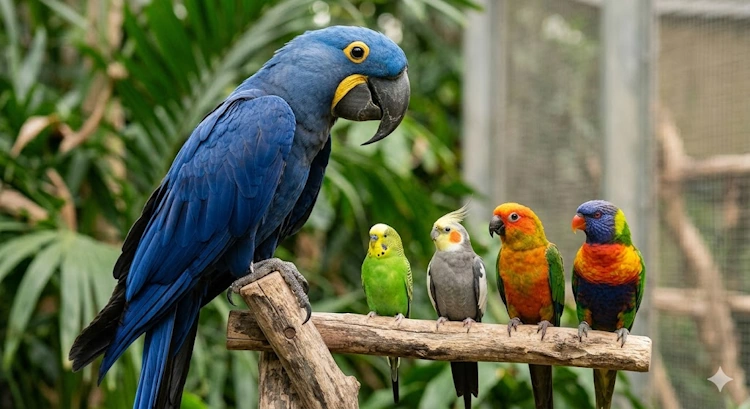
If you’ve ever watched a small parakeet flutter around a living room, you might find yourself asking: How big can a parrot get? The answer spans an incredible range, from pocket-sized pets that weigh less than a golf ball to massive birds with wingspans wider than a standard doorway. Parrots are one of the most diverse bird families on the planet, with over 400 recognized species that vary wildly in length, weight, and wingspan. Whether you’re considering adopting a parrot, researching native bird species, or just curious about record-breaking animals, this guide breaks down every size detail you need to know, backed by data from the Cornell Lab of Ornithology and the Association of Avian Veterinarians.

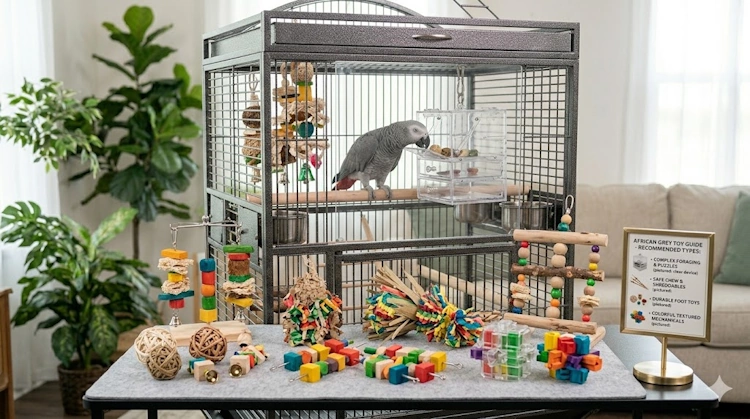
68” Large Parrot Cage, Large Bird Cages for Parrots,Conure Cage for Birds, Cockatiel Cage with Play Top,Feeders,Slide-Out Tray,Seed Catcher,Birdcage Toys for Cockatoo,African Grey,Lovebird
Check PriceParrot Size Ranges by Category
Ornithologists typically group parrots into four size categories based on adult length (from beak to tail tip) and weight. These ranges help potential owners choose a bird that fits their living space, and help researchers track species health in the wild. Below is a breakdown of each category, with common examples.
Small Parrots (Under 10 Inches / 25 cm)
Small parrots are the most popular pet birds globally, thanks to their compact size and lower space requirements. Most small parrots weigh between 0.7 and 4 ounces (20–113 grams), with wingspans of 6–10 inches (15–25 cm). These birds are ideal for apartment dwellers, as they can live comfortably in smaller cages and produce less noise than larger species.
- Budgerigars (budgies): 7 inches long, 1 ounce average weight
- Lovebirds: 5–7 inches long, 1.5–2 ounces
- Parrotlets: 4.5–5 inches long, 0.7–1 ounce
- Green-cheeked conures: 10 inches long, 2.5–3.5 ounces
Medium Parrots (10–20 Inches / 25–50 cm)
Medium parrots bridge the gap between compact pets and large, high-maintenance species. They weigh between 4 and 20 ounces (113–567 grams), with wingspans of 12–24 inches (30–61 cm). These birds are more active than small parrots and require larger cages, but are still manageable for most homeowners with a spare room or large living area.
- Senegal parrots: 9–10 inches long, 4–5 ounces
- Quaker parrots: 11–12 inches long, 3.5–5 ounces
- Sun conures: 12 inches long, 4–5 ounces
- Eclectus parrots: 14–20 inches long, 12–19 ounces
Large Parrots (20–30 Inches / 50–76 cm)
Large parrots are the classic “talking birds” many people picture when they think of parrots. They weigh between 1.5 and 3.5 pounds (0.7–1.6 kg), with wingspans of 24–36 inches (61–91 cm). These birds require significant daily interaction, large custom cages, and a long-term commitment (many live 50+ years).
- Blue-and-gold macaws: 30–36 inches long, 2–3 pounds
- Cockatoos (umbrella, sulfur-crested): 18–24 inches long, 1.5–2.5 pounds
- Amazon parrots: 10–20 inches long, 1–1.5 pounds
- African grey parrots: 12–14 inches long, 0.9–1.4 pounds
Extra-Large Parrots (Over 30 Inches / 76 cm)
Extra-large parrots are the giants of the bird world, with some species weighing more than a small dog. They require specialized housing, aviaries rather than standard cages, and owners with extensive bird experience. These species are rarely kept as pets due to their size and complex care needs.
- Hyacinth macaws: 40 inches long, 3.5–4.5 pounds
- Flightless kakapos: 23–25 inches long, 4–9 pounds
- Great green macaws: 35–36 inches long, 3–4 pounds
68” Large Parrot Cage, Large Bird Cages for Parrots,Conure Cage for Birds, Cockatiel Cage with Play Top,Feeders,Slide-Out Tray,Seed Catcher,Birdcage Toys for Cockatoo,African Grey,Lovebird
Check PriceRecord-Breaking Parrots: How Big Do They Get?
The question “how big can a parrot get” is most often asked by people curious about record-holding species. While most pet parrots stay under 3 feet long, wild and captive records show that some individuals grow far larger than average for their species.
Largest Parrot Ever Recorded
The largest parrot ever documented was a hyacinth macaw named “Mac” housed at a Florida aviary in the 1990s. Mac measured 42 inches (107 cm) from beak to tail tip, with a wingspan of 5 feet 4 inches (162 cm) and a weight of 4.8 pounds (2.2 kg). For context, that wingspan is wider than a standard king-size mattress. Hyacinth macaws are naturally the largest flying parrot species, native to the swamps and forests of central South America.
Largest Living Parrot Species
The kakapo, a flightless parrot native to New Zealand, is the heaviest living parrot species, even though it is shorter than the hyacinth macaw. Adult male kakapos can weigh up to 9 pounds (4.1 kg), with a length of 23–25 inches (58–64 cm). Female kakapos are smaller, averaging 4–5 pounds. Kakapos are critically endangered, with fewer than 250 individuals left in the wild, so they are never kept as pets.
Smallest Parrot Species
On the opposite end of the size spectrum, the buff-faced pygmy parrot is the smallest parrot species in the world. It measures just 3.1 inches (8 cm) long and weighs 0.3 ounces (10 grams) — small enough to fit in the palm of a child’s hand. These tiny birds are native to the rainforests of New Guinea and are rarely seen in captivity.
Factors That Affect How Big a Parrot Gets
Not all parrots of the same species grow to the same size. Several key factors influence whether a parrot reaches the upper or lower end of its species’ size range.
Genetics and Lineage
Like all animals, parrots inherit size traits from their parents. Captive breeding programs sometimes select for larger or smaller individuals, which can lead to size variations within a species. For example, some captive-bred blue-and-gold macaws are consistently 2–3 inches longer than their wild counterparts, due to selective breeding for “show” traits.
Diet and Nutrition
Nutrition is the single biggest factor affecting parrot growth, especially in the first 1–3 years of life when birds reach maturity. Parrots that eat a balanced diet of pellets, fresh fruits, vegetables, and occasional nuts will grow to their full genetic potential. Birds fed a seed-only diet often develop stunted growth, vitamin deficiencies, and shorter lifespans. Wild parrots with access to diverse food sources almost always grow larger than captive birds fed low-quality diets.
Habitat and Exercise
Parrots that have access to large flight spaces grow stronger, healthier muscles and often reach larger sizes than birds kept in small cages. In the wild, parrots fly up to 30 miles a day in search of food, which promotes healthy bone and muscle development. Captive parrots that are let out of their cages for several hours a day are more likely to reach full size than birds confined to small cages 24/7.
Age and Maturity
Parrots reach full size at different ages depending on their species. Small parrots like budgies reach adult size at 6–8 months old. Medium parrots take 1–2 years to mature. Large and extra-large parrots can take 3–5 years to reach their full length and weight. Many owners mistake a young 2-year-old macaw for a “small” adult, not realizing the bird still has 2+ years of growth left.
68” Large Parrot Cage, Large Bird Cages for Parrots,Conure Cage for Birds, Cockatiel Cage with Play Top,Feeders,Slide-Out Tray,Seed Catcher,Birdcage Toys for Cockatoo,African Grey,Lovebird
Check PriceCommon Pet Parrot Sizes
Most people asking “how big can a parrot get” are considering adopting a pet, so it’s helpful to break down sizes for the most popular captive species. When choosing a parrot, always factor in adult size, not the size of the baby bird you’re viewing — many species triple in size between 3 and 12 months old.
When choosing a home for a large parrot, always shop for species-appropriate parrot cages that allow at least 2x the bird’s wingspan in horizontal space. If you’re unsure how much room your bird needs, our guide on how to calculate the right parrot cage dimensions breaks down exact measurements for every common species.
Small Pet Parrots
Small parrots are the best choice for first-time owners. They require minimal space, have lower food costs, and live 10–20 years on average. The most popular small pet parrots include budgies (7 inches, 1 oz), cockatiels (12 inches, 3 oz), and lovebirds (6 inches, 1.5 oz). All of these species can live happily in cages as small as 18x18x18 inches, though larger is always better.
Medium Pet Parrots
Medium parrots are a good choice for owners with some bird experience. They are more interactive than small parrots, can learn to talk, and live 20–50 years. Popular medium pets include sun conures (12 inches, 4 oz), Quaker parrots (11 inches, 4 oz), and Senegal parrots (10 inches, 4 oz). These birds need cages at least 24x24x36 inches, with plenty of toys to prevent boredom.
Large Pet Parrots
Large parrots are a lifelong commitment, often outliving their owners. They require 2–4 hours of daily interaction, large custom cages (minimum 36x48x60 inches), and a diet that costs $50–$100 per month. Popular large pets include blue-and-gold macaws (30 inches, 2.5 lbs), African grey parrots (14 inches, 1 lb), and umbrella cockatoos (20 inches, 2 lbs). These birds are not suitable for apartments, as their screams can reach 120 decibels (louder than a chainsaw).
For a full breakdown of every recognized parrot species and their native ranges, you can explore Cornell Lab’s full parrot species directory, which includes size data, call samples, and conservation status for over 400 species.
Frequently Asked Questions
How big is the biggest parrot in the world?
The largest parrot ever recorded was a hyacinth macaw named Mac, measuring 42 inches long with a 5-foot 4-inch wingspan. The largest living species is the kakapo, which can weigh up to 9 pounds, even though it is shorter than the hyacinth macaw.
Do male or female parrots get bigger?
Size dimorphism (difference between sexes) varies by species. In most macaw and cockatoo species, males are 5–10% larger than females. In African grey parrots and budgies, females are slightly larger than males. In conures and lovebirds, there is no noticeable size difference between sexes.
Can a parrot grow bigger in captivity than in the wild?
Selective breeding can produce captive parrots that are larger than their wild counterparts, but wild parrots with access to diverse food sources often grow larger than captive birds fed poor diets. Captive parrots that are underfed or confined to small cages will almost always be smaller than wild individuals of the same species.
What is the smallest parrot species?
The buff-faced pygmy parrot is the smallest parrot species, measuring just 3.1 inches long and weighing 0.3 ounces. The smallest common pet parrot is the parrotlet, which is 4.5 inches long and weighs 0.7 ounces.
How long does it take for a parrot to reach full size?
Small parrots reach full size at 6–8 months old. Medium parrots take 1–2 years to mature. Large and extra-large parrots can take 3–5 years to reach their full adult length and weight. Always ask a breeder for the age of a baby parrot to avoid surprises when the bird grows to full size.
Conclusion
So, how big can a parrot get? The answer ranges from 3-inch pygmy parrots to 4-foot-wide hyacinth macaws, with hundreds of species in between. If you’re considering adopting a parrot, always research the adult size of the species first, and plan for housing, food, and vet costs that match its full-grown size. Remember that many large parrots live 50+ years, so choosing a bird that fits your lifestyle and space is a decision that will impact decades of your life. For more parrot care tips, check out our guides to cage sizing and species-specific care.
Hassan is a lifelong backyard birding enthusiast and the creator of Birdhouse Tales. Turning a passion for nature into a mission, they spend their days designing bird-approved DIY nesting boxes, testing squirrel-proof gear, and curating the best advice to help homeowners build safe wildlife sanctuaries. Whether you are trying to attract your first pair of bluebirds or looking for the perfect copper birdbath, Hassan provides practical, real-world guides to bring the joy of birdwatching right to your window.