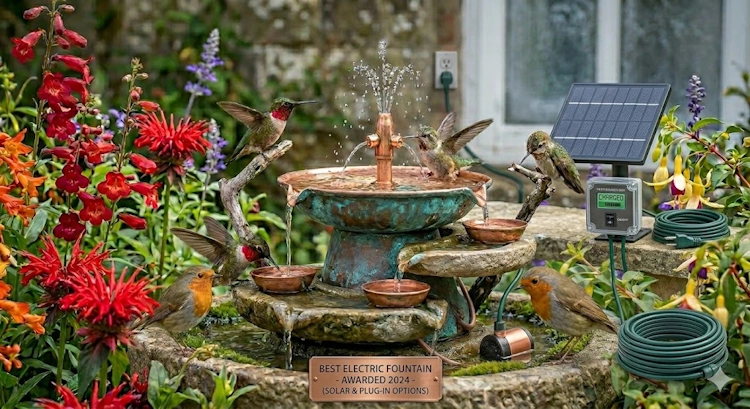
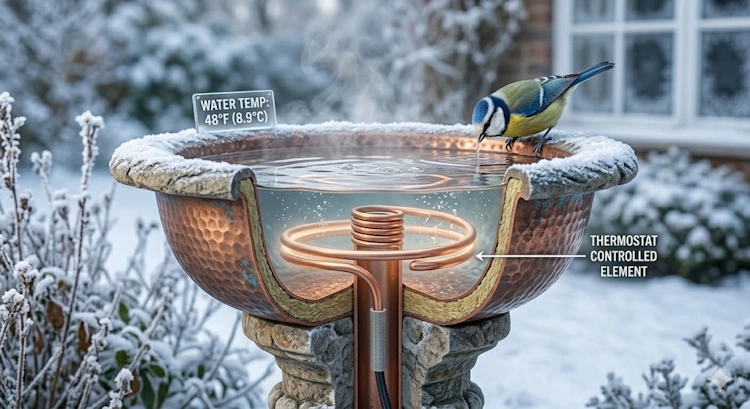
If you live in a region with freezing winter temperatures, you’ve probably watched your backyard bird bath turn into a solid block of ice overnight. That’s where heated bird baths come in, but how do heated bird baths work, exactly? These specialized backyard fixtures are designed to keep water liquid even when the mercury drops below freezing, supporting local bird populations when natural water sources are frozen over. Unlike standard bird baths, which offer little use once temperatures dip below 32°F, heated models use low-wattage heating elements to maintain a safe, liquid temperature for drinking and preening birds.
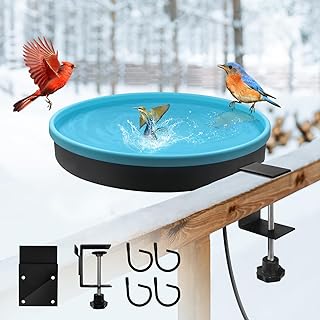
GESAIL Shallow Design Mount Outdoor Bird Bath with Detachable Decoration
Check PriceHow Do Heated Bird Baths Work? Core Mechanics
At their simplest, heated bird baths function like a low-power electric water heater scaled for outdoor use. Most models combine three core components: a heating element, a thermostatic control system, and a weatherproof power source. Understanding how these parts interact explains exactly why these fixtures can keep water liquid in sub-zero conditions.

Daoeny Heated Bird Bath with Thermostat
Check PriceThe Heating Element: What’s Inside?
The heating element is the heart of any heated bird bath. Most modern models use either a submerged stainless steel coil or a base-mounted heating plate, both rated for outdoor use and corrosion resistance. Submerged coils sit directly in the water, heating it efficiently without wasting energy warming the basin first. Base-mounted plates are installed under the basin, transferring heat through the basin material to the water above. Both types are fully encased in waterproof, bird-safe housing to prevent direct contact with birds or debris.
Wattage ranges from 50W to 150W for most residential models. Lower-wattage elements (50-80W) work well for mild winters where temperatures rarely drop below 20°F. Higher-wattage models (100-150W) are necessary for regions with extended deep freezes, as they generate enough heat to counteract wind chill and rapid heat loss from the water surface.
Thermostatic Controls: Preventing Overheating
All quality heated bird baths include a built-in thermostat to regulate when the heating element turns on and off. Most fixed thermostats activate when ambient temperatures drop below 35°F (1.7°C), and shut off once the basin reaches 45-50°F (7-10°C). This range keeps water liquid without wasting electricity or heating the water to temperatures that could harm birds. Adjustable thermostats are available on premium models, letting you set a custom activation temperature if you live in an area with mild, fluctuating winters.
Thermostats also prevent overheating: if the basin temperature rises above 60°F (15°C) due to a malfunction, the thermostat cuts power to the element immediately. This failsafe is critical for bird safety, as water above 70°F can scald delicate bird feet and feathers.
Power Sources: Electric vs Solar Heated Bird Baths
The vast majority of reliable heated bird baths are electric, plugging into a standard 120V GFCI-protected outdoor outlet. Most come with a 15-foot heavy-duty cord to reach outlets that aren’t directly next to the bath location. Electric models are the only reliable choice for areas with extended freezing temperatures, as they draw consistent power regardless of weather conditions.
Solar heated bird baths use a small photovoltaic panel to charge a built-in battery, which powers the heating element. These are only suitable for mild winter regions with consistent sunlight: they cannot charge or operate during snowstorms, overnight, or when temperatures drop below freezing for more than 24 hours. Most solar models fail to keep water liquid when temperatures drop below 28°F, making them a poor choice for northern climates.
Key Safety Features of Heated Bird Baths
Safety is a top priority for any outdoor electrical fixture. Reputable heated bird baths include multiple built-in safety features to protect birds, pets, and humans.
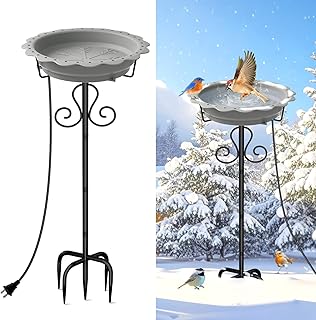
Webuys Heated Bird Bath for Outdoors with Thermostat
Check PriceWeatherproofing and GFCI Protection
All heated bird baths should have an IP65 or higher weatherproof rating, meaning they are fully protected against dust and low-pressure water jets from any direction. The power cord should be 16-gauge or thicker to prevent fraying in cold temperatures. Always plug heated bird baths into a Ground Fault Circuit Interrupter (GFCI) outlet, which cuts power instantly if it detects a short circuit or electrical leak. GFCI outlets are required by building code for all outdoor electrical fixtures, and should be tested monthly using the “test” button on the outlet face.
Non-Toxic Materials for Bird Safety
Basins are typically made from BPA-free recycled plastic, glazed ceramic, or copper. Avoid models with painted or coated finishes, as these can chip over time and be ingested by birds. Copper basins are naturally antimicrobial, reducing algae growth, but ensure the copper is pure and not treated with toxic sealants. For plastic basins, look for FDA food-grade ratings to confirm they are safe for contact with drinking water.
Overheat Auto-Shutoff Technology
Premium heated bird baths include a secondary overheat shutoff that activates if the primary thermostat fails. This shutoff cuts power to the element if the basin temperature exceeds 100°F (37.8°C), preventing melting of plastic basins or scalding of birds. Even budget models include basic overheat protection, but always check product specifications before purchasing.
Benefits of Using a Heated Bird Bath in Winter
Adding a heated bird bath to your yard delivers tangible benefits for local wildlife and backyard bird watchers alike. As the National Audubon Society notes, birds need access to liquid water even in freezing temperatures to survive: they lose moisture through respiration and waste, and frozen natural sources like ponds and streams are inaccessible for months at a time.
Supporting Local Bird Populations
Heated bird baths provide a critical resource for overwintering birds like chickadees, nuthatches, woodpeckers, and juncos, which do not migrate south. Access to liquid water improves their survival rates in severe winters, as small birds can perish within 24 hours without water in freezing conditions.
Attracting More Bird Species to Your Yard
A heated bird bath will attract 30-50% more bird species than a frozen standard bath, as birds will travel up to a mile to find liquid water in winter. You may spot species that don’t normally visit your yard, including winter migrants like yellow-rumped warblers and fox sparrows. Pair your heated bath with high-calorie winter bird seed to create a full backyard habitat.
Preventing Costly Bird Bath Cracks from Freezing
Water expands by 9% when it freezes, which can crack ceramic, plastic, and concrete bird baths. Heated baths keep water liquid, eliminating freeze-thaw damage that can ruin a $50+ bird bath in a single winter. If you’re shopping for a new cold-weather fixture, check out our tested picks for the best winter bird baths to compare heated and non-heated options that resist cracking.
How to Choose the Right Heated Bird Bath for Your Yard
With hundreds of models on the market, it’s easy to get overwhelmed. Focus on these key factors to find a model that fits your climate, yard, and budget.
Size and Depth Considerations
Bird bath basins should be no deeper than 2 inches at the lowest point, with a shallow slope to allow birds to stand in water as shallow as 0.5 inches. Deeper basins pose a drowning risk for small birds like wrens and goldfinches. Aim for a basin width of 12-18 inches, which provides enough space for 3-4 birds to drink and preen at once without crowding.
Mounting Options: Ground, Pedestal, or Hanging
- Ground-mounted: Heavy, stable, and ideal for areas with heavy snow or high winds. These sit directly on the ground or a flat patio surface, and are the least likely to tip over when weighed down with ice.
- Pedestal: Elevated on a 3-5 foot stand, keeping water away from ground predators like cats. Look for models with weighted bases to prevent tipping during storms.
- Hanging: Suspend from a sturdy tree branch or outdoor hook. Ensure the branch can hold up to 20 pounds, which accounts for the weight of the bath, water, and ice.
Energy Efficiency and Power Costs
Electric heated bird baths use very little electricity: a 100W model running 8 hours a day will consume 0.8 kWh per day, or about 24 kWh per month. At the average US electricity rate of $0.16 per kWh, that’s just $3.84 per month—far less than the cost of replacing a cracked bird bath. If you already own a standard bird bath, you don’t have to buy a new fixture—follow our guide to safe methods to heat an existing bird bath in winter using add-on heating elements that fit most standard basins.
Common Myths About Heated Bird Baths (Debunked)
Misinformation about heated bird baths keeps many backyard birders from using them. Let’s clear up the most common myths:
Myth 1: Heated Bird Baths Will Scald Birds
False. Thermostatic controls keep water between 40-50°F at all times, which is cool to the touch for humans and safe for birds. Even if the thermostat fails, overheat shutoff technology cuts power before water reaches dangerous temperatures.
Myth 2: They Use Too Much Electricity to Be Worth It
False. As noted above, even high-wattage models cost less than $5 per month to operate. Compare that to the $50+ cost of replacing a cracked non-heated bath, and the value is clear.
Myth 3: Solar Heated Baths Work in Deep Freezes
False. Solar models rely on sunlight to charge, so they cannot operate overnight, during snowstorms, or in cloudy weather. They are only suitable for USDA Hardiness Zones 8 and above, where freezing temperatures are rare and short-lived.
FAQ: Your Heated Bird Bath Questions Answered
Can I leave a heated bird bath on all winter?
Yes, as long as it’s plugged into a working GFCI outlet and has no visible damage to the cord or basin. Most models are designed for continuous use from late November to early March.
Are heated bird baths safe for pets and kids?
Yes, when installed correctly. The heating element is fully encased inside the basin, so there are no exposed hot surfaces. Always keep cords out of reach of pets that may chew on them, and place the bath away from high-traffic play areas for small children.
Do I need to clean a heated bird bath more often?
No, cleaning frequency is the same as a standard bird bath: once every 1-2 weeks, or more often if the water looks cloudy. Always unplug the bath before cleaning, and use a bird-safe cleaner or a mixture of 1 part white vinegar to 9 parts water to scrub the basin.
Will a heated bird bath work in single-digit temperatures?
Yes, as long as you choose a model with 100W or higher wattage. Place the bath in a sheltered area out of direct wind to minimize heat loss, and it will keep water liquid down to -20°F.
Conclusion
Now that you understand how do heated bird baths work, you can make an informed choice for your backyard. These affordable, low-maintenance fixtures provide a critical winter resource for local birds, attract more species to your yard, and protect your existing bird bath from freeze damage. Start by checking if your current bath is compatible with an add-on heater, or shop our picks for the best winter bird baths to find a model that fits your climate. A small investment in a heated bird bath can make a big difference for your local bird population this winter.

Hassan is a lifelong backyard birding enthusiast and the creator of Birdhouse Tales. Turning a passion for nature into a mission, they spend their days designing bird-approved DIY nesting boxes, testing squirrel-proof gear, and curating the best advice to help homeowners build safe wildlife sanctuaries. Whether you are trying to attract your first pair of bluebirds or looking for the perfect copper birdbath, Hassan provides practical, real-world guides to bring the joy of birdwatching right to your window.