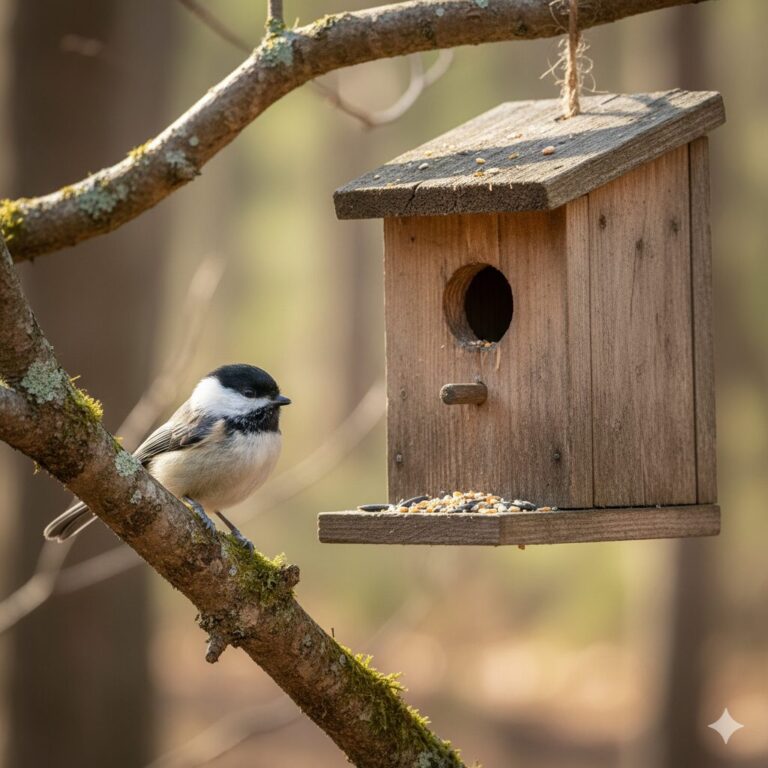
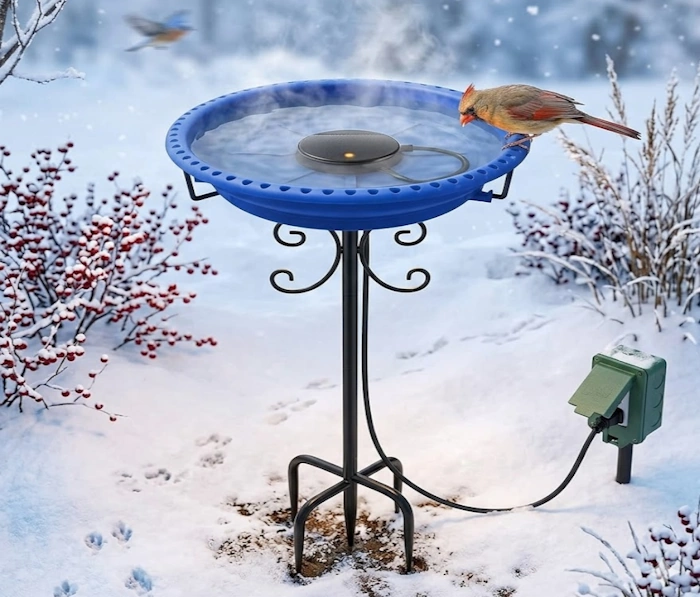
Winter can be brutal for backyard birds, with freezing temperatures turning bird bath water into solid ice overnight. If you’re wondering how to heat a bird bath in winter, you’re not alone. Many bird lovers want to provide liquid water for feathered visitors when natural sources freeze. Unlike summer, when birds can find puddles or streams, winter limits their access to clean drinking and bathing water, which is critical for their survival. Birds need liquid water to stay hydrated, regulate their body temperature, and keep their feathers clean for insulation. A heated bird bath can be a literal lifesaver for species that stay in cold climates year-round, from chickadees to cardinals.
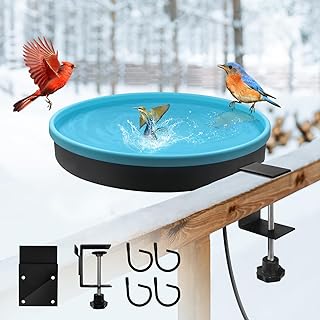
GESAIL Shallow Design Mount Outdoor Bird Bath with Detachable Decoration
Check PriceWhy Heat Your Bird Bath in Winter?
Most people know birds need food and shelter in winter, but water is just as essential, and far harder for them to find when temperatures drop below freezing. According to backyardsforbirds.com, liquid water can attract up to 5x more bird species to your yard in winter than seed alone. Here’s why heated water matters:
- Hydration: Birds lose moisture through breathing cold, dry air, and winter diets (mostly seeds) have very low water content. Without liquid water, they can become dehydrated quickly, which weakens their immune systems.
- Feather maintenance: Birds bathe year-round to keep feathers clean and aligned. Dirty, matted feathers trap less body heat, making birds more vulnerable to hypothermia. Liquid water lets them preen and bathe even in freezing weather.
- Energy conservation: When birds can’t find liquid water nearby, they burn critical energy flying long distances to unfrozen streams or ponds. A heated bird bath in your yard eliminates that extra energy cost, helping them survive cold snaps.
Top Safe Methods to Heat a Bird Bath in Winter

Daoeny Heated Bird Bath with Thermostat
Check Price1. Use a Submersible Bird Bath Deicer
Submersible deicers are the most popular option for existing bird baths. These small, waterproof devices sit at the bottom of your bird bath basin and use low-wattage electricity to warm water just enough to prevent freezing, without overheating it. Most models are thermostatically controlled, so they only turn on when temperatures drop below 35°F (1.7°C), saving energy.
Pros: Affordable (most cost $20–$40), works with almost any existing bird bath, easy to install. Cons: Requires an outdoor-rated electrical outlet nearby, may not work in extreme cold (below -10°F) if your basin is very large.
2. Upgrade to a Pre-Heated Winter Bird Bath
If you don’t already have a bird bath, or your current one is cracked or too shallow, a pre-heated winter bird bath is a low-maintenance option. These baths have built-in heating elements in the basin, and many come with thermostatic controls and weather-resistant cords. Look for models with rough, non-slip surfaces to help birds grip safely. For recommendations, check our guide to top-rated winter bird baths to find models that pair well with heating elements.
Pros: All-in-one setup, no extra installation steps, often more durable than adding heaters to old baths. Cons: More expensive than deicers (typically $50–$150), limited design options compared to standard bird baths.
3. Use a Floating Thermal Heater
Floating heaters sit on top of the water, rather than submerging, and use a small heating element to warm the water around them. They’re a good option for shallow bird baths or basins that can’t fit a submersible deicer. Many floating models are also thermostatically controlled, and some are battery-powered for areas without outdoor outlets.
Pros: Works in shallow basins, no cord required for battery-powered models. Cons: Battery-powered versions need frequent recharging, floating models can be knocked loose by large birds or squirrels.
4. DIY: Use a Low-Wattage Submersible Aquarium Heater
If you have a spare aquarium heater rated for outdoor use, you can repurpose it for your bird bath. Choose a heater with a built-in thermostat set to 40°F (4.4°C) to prevent freezing without overheating the water. Always use a ground fault circuit interrupter (GFCI) outlet with any DIY electrical setup to avoid shocks.
Pros: Cheap if you already have an aquarium heater, adjustable temperature settings. Cons: High risk of electrical failure if the heater isn’t rated for outdoor use, voids most aquarium heater warranties.
5. Avoid: Open Flames or Unsafe Heat Sources
Never use candles, space heaters, or heated rocks to warm your bird bath. These pose fire hazards, can overheat water to dangerous levels for birds, and may leak toxic chemicals into the water. Stick to purpose-built bird bath heaters or deicers that are tested for wildlife safety.
How to Choose the Right Heating Method for Your Setup
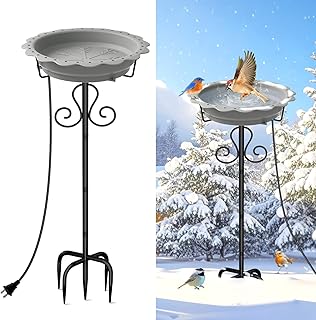
Webuys Heated Bird Bath for Outdoors with Thermostat
Check PriceNot all heating methods work for every bird bath or climate. Consider these factors before buying:
- Basin material: Plastic and resin bird baths work with all submersible deicers, but avoid placing heaters directly on thin plastic that may warp. Ceramic and concrete basins retain heat better, so you may need a lower-wattage heater.
- Climate: If you live in an area with frequent temperatures below 0°F (-17.8°C), opt for a high-wattage deicer (100+ watts) or a pre-heated bird bath. For milder winter climates, a 50-watt submersible deicer will suffice.
- Outlet access: All electric heaters require a GFCI-protected outdoor outlet. If you don’t have one nearby, look for battery-powered floating heaters or solar models (though solar only works on sunny days).
- Bird bath size: Large, deep basins need higher-wattage heaters than small, shallow dishes. Check the heater’s packaging for recommended basin sizes before purchasing.
Critical Safety Tips for Heated Bird Baths
Heated bird baths involve electricity and water, so safety needs to be your top priority. Follow these rules to protect birds and your property:
- Always use a GFCI outlet: Ground fault circuit interrupters cut power instantly if they detect a short circuit, preventing electrical shocks to birds or humans. Never use a standard indoor extension cord for outdoor heaters.
- Keep water temperature low: Heaters should only warm water to 40–50°F (4–10°C). Water that’s too hot can burn birds’ feet or legs, and may even crack ceramic or concrete basins.
- Avoid toxic materials: Never use heaters with exposed copper or lead elements, which can leach into water and poison birds. Stick to heaters labeled “wildlife safe” or “lead-free.”
- Secure cords: Use cord clips to attach heater cords to the bird bath pedestal or ground to prevent birds from chewing on them, or tripping over loose cords.
Common Mistakes to Avoid When Heating Bird Baths
Even experienced bird lovers make these errors when heating winter bird baths:
- Skipping regular cleaning: Heated water can grow algae faster than cold water, and bird droppings will accumulate quickly in warm water. Follow our proper bird bath cleaning practices to scrub your basin with vinegar and water every 1–2 weeks, even in winter.
- Placing the bath in direct wind: Wind chill can freeze water even with a heater running. Place your heated bird bath in a sheltered spot near a fence, shrub, or outbuilding to block cold winds.
- Using a heater that’s too powerful: High-wattage heaters in small basins can overheat water, making it uncomfortable for birds. Match the heater’s wattage to your basin size, as recommended by the manufacturer.
- Forgetting to check the heater daily: Ice storms or heavy snow can knock heaters loose, or bury the cord in snow, cutting power. Check your bird bath every morning to make sure water is still liquid and the heater is functioning.
Frequently Asked Questions
Will a heated bird bath attract rodents?
It’s unlikely, as long as you don’t overfill the basin. Rodents are more attracted to spilled seed under feeders than to liquid water. If you notice rodents using the bath, empty it at night and refill it in the morning, or move it to a raised pedestal that rodents can’t climb.
How much does it cost to run a bird bath heater?
Most submersible deicers use 50–100 watts. Running a 50-watt heater 24/7 for a month costs roughly $3–$5, depending on your local electricity rates. Thermostatically controlled models cost even less, as they only turn on when temperatures drop below freezing.
Can I use a heated bird bath for hummingbirds?
Yes, but hummingbirds prefer shallow water (no deeper than 0.5 inches). Use a heater with a low temperature setting, and add small rocks to the basin to create shallow perching spots for hummingbirds. You can also use a hummingbird-specific fountain heater, which is smaller and lower-wattage.
Do I need to turn off the heater in spring?
Yes, turn off and unplug your heater once nighttime temperatures consistently stay above 40°F (4°C). You can store the heater in a dry place until next winter, or leave it unplugged in the basin if it’s waterproof.
Are heated bird baths safe for pets?
Yes, as long as the heater is installed correctly and cords are secured. The water temperature is too low to burn pets, and purpose-built bird bath heaters are encased in chew-proof plastic. Keep cords out of reach of dogs or cats that may chew on them.
Conclusion
Learning how to heat a bird bath in winter is one of the most impactful things you can do to support backyard birds during cold months. Whether you choose a simple submersible deicer or a pre-heated winter bird bath, prioritize safety and wildlife-friendly materials to keep your feathered visitors healthy. Remember to clean your bath regularly, check the heater daily, and place it in a sheltered spot to maximize its effectiveness. With a little setup, you’ll enjoy watching birds visit your yard for liquid water all winter long, even on the coldest days.

Hassan is a lifelong backyard birding enthusiast and the creator of Birdhouse Tales. Turning a passion for nature into a mission, they spend their days designing bird-approved DIY nesting boxes, testing squirrel-proof gear, and curating the best advice to help homeowners build safe wildlife sanctuaries. Whether you are trying to attract your first pair of bluebirds or looking for the perfect copper birdbath, Hassan provides practical, real-world guides to bring the joy of birdwatching right to your window.