If you’re a bird lover who’s recently purchased a copper bird bath, installed copper roofing near a feeder, or cares for a pet parrot that chews on household wires, you’ve likely asked yourself: Is copper toxic to birds? It’s a valid, increasingly common concern, as copper is now used in everything from backyard birding products to household decor. While copper is a naturally occurring element that plays a small role in avian nutrition (birds need trace amounts of copper for feather and bone health), it becomes dangerous quickly when exposure levels cross a very low threshold.
Is Copper Toxic to Birds? The Short Answer
Yes, copper is toxic to birds when ingested in high enough quantities. Unlike mammals, which can excrete excess copper through bile and urine, birds have no efficient biological mechanism to process surplus copper. Instead, excess copper accumulates in the liver, kidneys, and other organs, causing progressive damage that can lead to organ failure and death if left untreated.
That said, not all copper exposure is dangerous. Trace amounts of copper in a bird’s diet are essential for normal bodily function. The risk arises when birds ingest ionic copper – the form that leaches into water or food from copper products – over a prolonged period, or when they ingest a large amount of copper at once (for example, chewing on a piece of copper wire).
Why Copper Harms Birds More Than Mammals
Birds’ small body size plays a major role in their sensitivity to copper. A 10-gram canary will be impacted by far less copper than a 150-pound human. But the bigger factor is avian biology: most bird species lack the specific proteins (called metallothioneins) that mammals use to bind and excrete excess copper. This means even small, repeated doses of copper can build up to toxic levels in a bird’s system over weeks or months.
When copper levels become too high, the metal triggers hemolytic anemia: it ruptures red blood cells, reducing the blood’s ability to carry oxygen. This leads to lethargy, organ damage, and in severe cases, sudden death. For pet birds that chew on copper items, toxicity can set in within days of exposure.
Which Birds Face the Highest Risk?
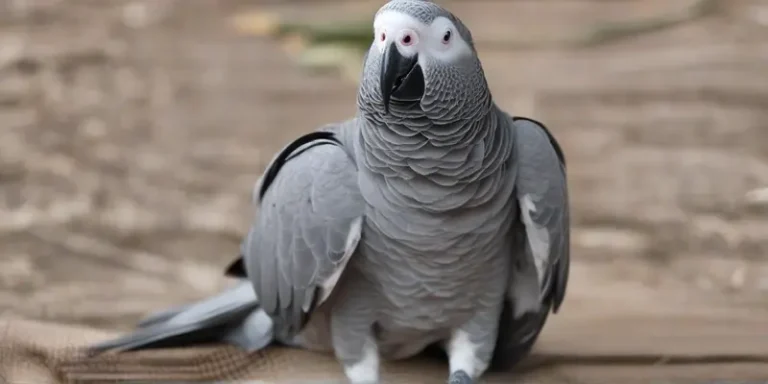
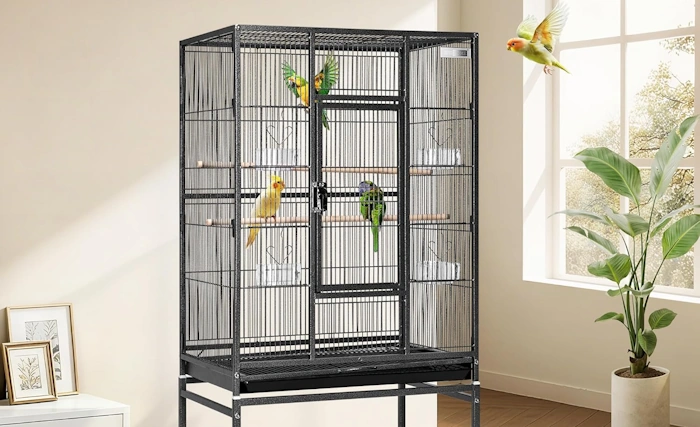
Pet birds, including parrots, canaries, finches, and cockatiels, are at far greater risk of copper toxicity than wild backyard birds. Pet birds live in close contact with household copper items: cage wire, food bowls, toy parts, and even electrical wires. Because they are confined to a small space, they cannot avoid copper sources the way wild birds can.
Wild birds are at risk primarily from copper-contaminated water sources. Backyard bird baths, farm ponds treated with copper-based algaecides, and runoff from industrial sites or old copper mines are the most common exposure sources. While wild birds can fly away from contaminated water, they will return to reliable water sources even if the water is slightly toxic, leading to chronic low-level exposure.
Common Sources of Copper Exposure for Birds
Copper exposure rarely comes from a single, obvious source. Most cases of avian copper toxicity are the result of small, repeated exposures that add up over time. Below are the most common sources to watch for:
Copper Bird Baths and Feeders
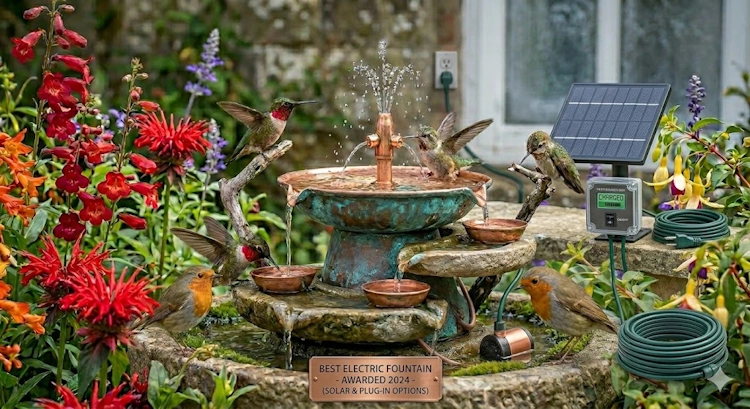
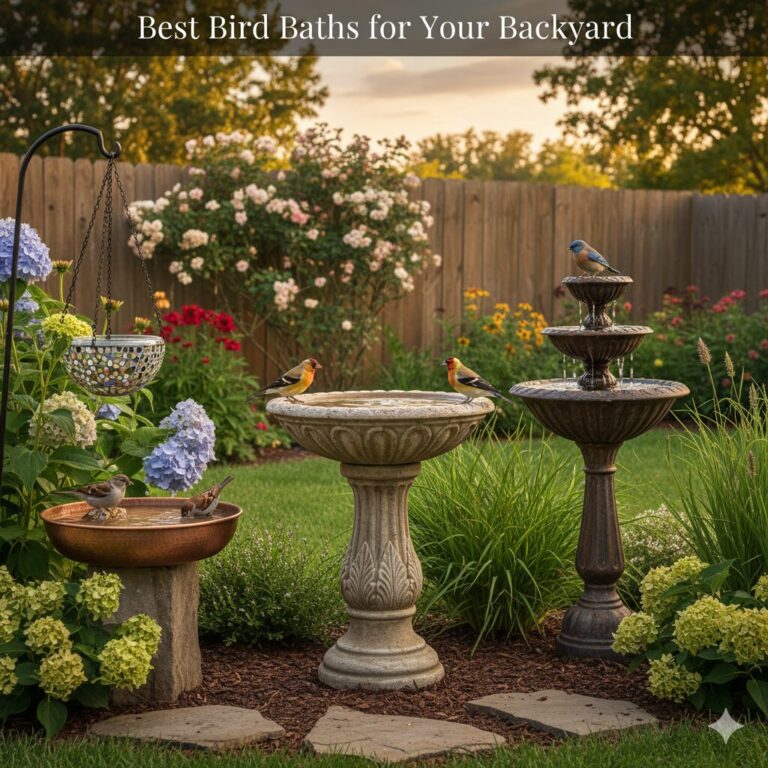
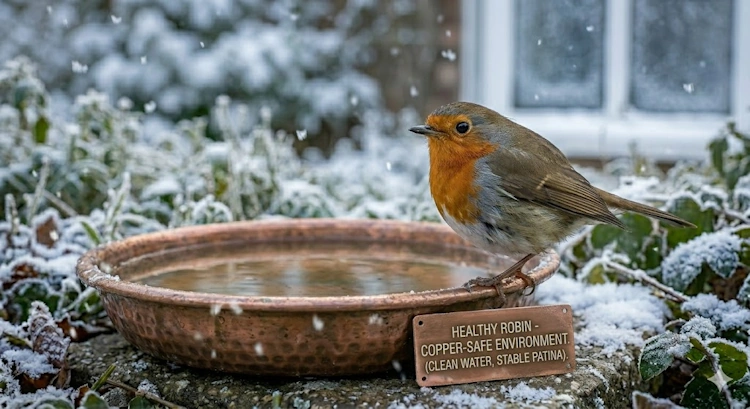
For backyard bird enthusiasts, copper bird baths are the most frequent source of copper exposure. Copper is a popular choice for bird baths because it has natural antimicrobial properties: it reduces algae growth and kills bacteria like E. coli and salmonella that can harm birds. However, uncoated, pure copper will leach small amounts of ionic copper into standing water, especially if the water is acidic (pH below 6.5).
We cover the safety of copper bird baths for backyard birds in a dedicated in-depth guide, but the key takeaway is that modern, powder-coated copper baths leach far less copper than raw, uncoated copper. If you are shopping for a new copper bath, check our roundup of top-rated copper bird bath options that are third-party tested for low leach rates.
Copper feeders are less common, but some decorative feeders use copper accents. These are generally safe, as birds do not ingest the feeder material directly – only if the copper leaches into wet seed or nectar (for hummingbird feeders) would there be a risk.
Household Copper Items for Pet Birds
Pet bird owners should audit their bird’s enclosure and surrounding area for copper items. Common risky items include:
- Uncoated copper cage wire or bars
- Copper food or water bowls
- Copper toy parts, bells, or chains
- Exposed copper electrical wires (birds love to chew these)
- Copper jewelry, coins, or decorative items left within reach of the bird
Even small pieces of copper chewed off these items can contain enough copper to make a small pet bird sick. Brass items are even riskier: brass is an alloy of copper and zinc, and zinc is more toxic to birds than copper in most cases.
Environmental Copper Exposure
Wild birds may be exposed to copper from sources outside your control. Industrial runoff from factories, mining operations, and wastewater treatment plants can contaminate local waterways and ponds. Copper-based pesticides and fungicides, which are used on crops and in some pond treatments to kill algae, can also leave residue on bird seed or in drinking water.
Old homes with copper plumbing may have copper leaching into tap water, which can be a risk if you fill your bird bath or pet bird’s water bowl with unfiltered tap water. If your home was built before 1980, consider testing your tap water for copper levels.
Signs of Copper Poisoning in Birds
Copper poisoning progresses in stages, and early symptoms are easy to miss. The faster you recognize symptoms, the better the chance of recovery for pet birds. Wild bird poisoning is harder to spot, but there are still telltale signs to watch for.
Symptoms in Pet Birds
Pet birds with copper toxicity will show a combination of the following symptoms, usually starting mild and worsening over days:
- Lethargy or reduced activity levels
- Loss of appetite or refusal to eat favorite foods
- Vomiting or regurgitating food
- Green, watery diarrhea (caused by bile release as red blood cells rupture)
- Increased thirst and urination
- Dark, reddish urine (hemoglobin from ruptured red blood cells)
- Weakness, trembling, or difficulty perching
- Seizures or loss of consciousness in severe cases
If you notice any of these symptoms, take your bird to an avian vet immediately. Copper poisoning progresses quickly, and death can occur within 24-48 hours of severe symptom onset.
Signs in Wild Birds
Wild birds are harder to monitor, but you may notice population-level changes if a water source is contaminated with copper. Signs include:
- Multiple dead or dying birds found near a single bird bath, pond, or feeder
- Birds avoiding a water source they previously used regularly
- Birds appearing lethargic or unsteady when perched near water
- Increased aggression or unusual behavior around water sources
If you suspect a local water source is contaminated with copper, stop filling your bird bath immediately and contact your local wildlife rehabilitation center for guidance.
How Much Copper Is Too Much?
The amount of copper that is toxic depends on the bird’s size, species, and overall health. The Association of American Feed Control Officials (AAFCO) sets the maximum safe level of copper in pet bird diets at 200 parts per million (ppm). For water, the U.S. Environmental Protection Agency (EPA) sets a maximum contaminant level of 1.3 milligrams per liter (mg/L) for human drinking water, but birds are 10-100 times more sensitive to copper than humans.
Most avian vets recommend keeping copper levels in bird drinking water below 0.5 mg/L to avoid any risk of chronic toxicity. You can test your bird bath or tap water for copper using inexpensive test strips available at pool supply stores or online. Acidic water (pH below 6.5) will leach up to 10 times more copper from copper products than neutral or alkaline water, so if your area has acidic rain, you should test your water more frequently.
Is Copper Ever Safe for Bird Products?
Yes, copper can be safe for bird products when it is properly manufactured and maintained. Pure, uncoated copper is less risky than copper alloys like brass or bronze, which contain other toxic metals. Powder-coated copper products (where the copper is sealed under a non-toxic plastic coating) leach almost no copper into water, making them a safe choice for bird baths and feeders.
Copper’s antimicrobial properties make it a good choice for bird baths, as it reduces the growth of harmful bacteria and algae that can cause other bird illnesses. The key is to choose products that are certified as low-leach, and to maintain them properly. For more data on safe metal levels for birds, refer to the Cornell Lab of Ornithology’s avian health resources, which publish regular guidelines on backyard birding product safety.
Practical Tips to Protect Birds from Copper Toxicity
Whether you care for pet birds or just want to keep backyard visitors safe, these simple steps can eliminate almost all risk of copper toxicity:
Tips for Backyard Bird Lovers
- Rinse copper bird baths daily and refill with fresh water every morning to reduce copper buildup.
- Test your bird bath water for copper every 2-3 months, especially if you live in an area with acidic rain.
- Avoid using copper-based algaecides or pesticides in your yard or bird bath.
- If your downspouts empty into your bird bath or feeding area, redirect them to avoid copper runoff from roof gutters.
- Replace old, uncoated copper bird baths with sealed ceramic, glass, or powder-coated copper models if you notice high leach levels.
Tips for Pet Bird Owners
- Use stainless steel or ceramic food and water bowls, never copper.
- Replace copper cage wire with powder-coated steel or stainless steel mesh.
- Keep all copper items (wires, jewelry, coins) out of your bird’s reach.
- Fill your bird’s water bowl with filtered water instead of unfiltered tap water.
- If you suspect copper poisoning, take your bird to an avian vet immediately – chelation therapy is effective if treatment starts within hours of symptom onset.
Frequently Asked Questions
Can birds touch copper without getting sick?
Yes, dry contact with copper is not dangerous. Birds only ingest copper when they chew on copper items, or when they drink water or eat food that has leached copper. A bird landing on a copper bird bath or perching on a copper feeder will not get sick from contact alone.
Is brass toxic to birds too?
Yes, brass is actually riskier than pure copper for most birds. Brass is an alloy of copper and zinc, and zinc is more toxic to birds than copper. Zinc poisoning causes similar symptoms to copper toxicity, but progresses even faster. Avoid all brass items in pet bird enclosures and backyard birding products.
Do copper bird baths kill birds?
Only in very rare cases. Most modern copper bird baths are sealed to prevent copper leaching, and the small amount of copper that does leach is not enough to harm healthy birds. Deaths from copper bird baths usually occur when the bath is old, uncoated, and filled with acidic water that has been standing for days.
How do I test for copper in my bird bath water?
Use a home copper test kit, which is available for $10-$20 online or at pool supply stores. Test strips are the easiest to use: dip the strip in the water, wait 30 seconds, and compare the color to the included chart. If copper levels are above 0.5 mg/L, replace the water immediately and consider switching to a non-copper bath.
Conclusion
So, is copper toxic to birds? The answer is a clear yes – but only when exposure levels are high enough. For most backyard bird lovers, a properly maintained, sealed copper bird bath poses almost no risk, and may even benefit birds by reducing harmful bacteria. Pet bird owners should take extra care to eliminate all copper items from their bird’s enclosure, as small exposures can add up quickly.
If you are unsure about the safety of your current birding products, start by testing your water for copper, and audit your pet bird’s enclosure for hidden copper sources. With a few simple checks, you can keep all the birds in your life safe while still enjoying the benefits of copper products.
Hassan is a lifelong backyard birding enthusiast and the creator of Birdhouse Tales. Turning a passion for nature into a mission, they spend their days designing bird-approved DIY nesting boxes, testing squirrel-proof gear, and curating the best advice to help homeowners build safe wildlife sanctuaries. Whether you are trying to attract your first pair of bluebirds or looking for the perfect copper birdbath, Hassan provides practical, real-world guides to bring the joy of birdwatching right to your window.