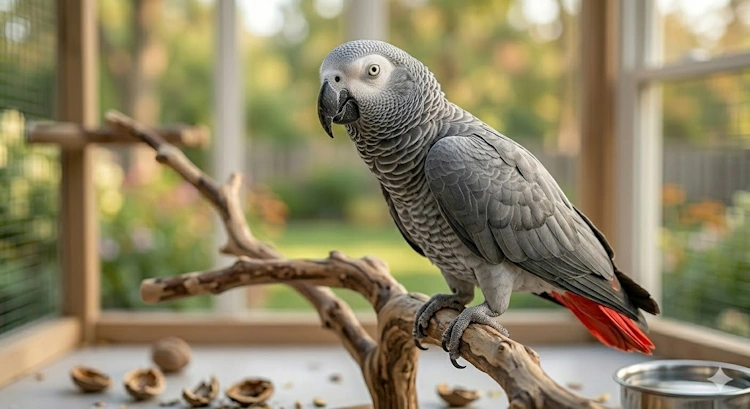
If you’re considering adding an African Grey to your family, the first question you probably have is about the average lifespan of African Grey parrots. These highly intelligent, talkative birds are a long-term commitment, often outliving other common pet birds like budgies or parakeets. Unlike a hamster or guinea pig, an African Grey isn’t a short-term pet, their longevity means you’re signing up for decades of companionship, so it’s critical to understand what to expect before bringing one home.
African Greys are split into two subspecies: the larger Congo African Grey and the smaller Timneh African Grey. While both share similar care needs, their average lifespans differ slightly, and where they live (captivity vs. the wild) plays an even bigger role in how long they live. Below, we break down everything you need to know about African Grey longevity, including how to help your bird live a full, healthy life.

Yaheetech Extra Large Bird Cage 63” Open Play Top Bird Cage for African Grey Parrots/Amazon Parrot/Caiques/Macaw with 360° Wheels
Check PriceAverage Lifespan of African Grey: Captive vs Wild
The environment your African Grey lives in is the single biggest factor determining their lifespan. Captive birds, with proper care, live far longer than their wild counterparts, who face constant threats that cut their lives short.
Lifespan in Captivity
Captive African Grey parrots have an average lifespan of 40 to 60 years. Congo African Greys, the more common pet subspecies, typically live 50 to 60 years, while Timneh African Greys average 40 to 50 years. Exceptional cases of captive Greys living into their 70s have been recorded, but these are rare and require flawless care, good genetics, and a bit of luck.
For context, this makes African Greys one of the longest-lived companion birds available. By comparison, budgies live 5-10 years, cockatiels live 15-20 years, and even large macaws average 40-50 years in captivity. If you bring home an African Grey, you’re likely committing to caring for the bird for your entire adult life, and may even need to make arrangements for their care in your will.
Lifespan in the Wild
Wild African Greys face a very different reality. According to data from the World Parrot Trust, wild Greys have an average lifespan of just 20 to 30 years. They face constant threats including habitat loss from deforestation, poaching for the international pet trade, predators like hawks, monkeys, and snakes, and food scarcity during drought years.
Wild Greys also have no access to veterinary care, so even minor injuries or illnesses that would be treatable in captivity often turn fatal. Conservation groups note that wild African Grey populations have declined by 30% in the last 20 years, meaning fewer wild birds are reaching even their shortened average lifespan.
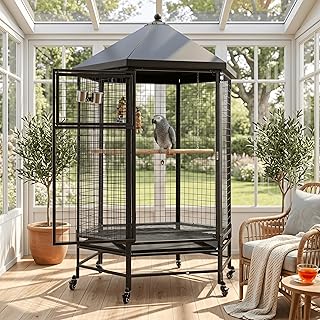
69\” Extra Large Bird Cage for Parrots, Heavy Duty Metal Aviary on Wheels with Rolling Stand & Slide-Out Trays for African Greys, Cockatoos, Conures, Macaws, Indoor Outdoor, Black
Check PriceKey Factors That Impact African Grey Longevity
Not all captive African Greys live to 60 years. A handful of critical factors determine whether your bird reaches their full lifespan potential. Below are the four most impactful variables:
Diet and Nutrition
Poor diet is the leading cause of early death in captive African Greys. Many new owners make the mistake of feeding an all-seed diet, which is high in fat and low in essential vitamins and minerals. Over time, this leads to obesity, vitamin A deficiency, fatty liver disease, and kidney failure, all of which shorten lifespan by 10-20 years.
A balanced diet for an African Grey should consist of 70-80% high-quality, veterinarian-recommended pellets, 20-30% fresh produce (leafy greens, squash, berries, carrots), and small amounts of nuts and seeds as treats. Avoid toxic foods including avocado, chocolate, caffeine, alcohol, salt, and sugar, which can be fatal even in small amounts.
Enrichment and Mental Stimulation
African Greys are widely considered one of the smartest bird species, with cognitive abilities equivalent to a 5-year-old human. They can learn hundreds of words, solve complex puzzles, and even understand basic grammar. Boredom is one of the biggest threats to their health, as it often leads to destructive behaviors like feather plucking, self-mutilation, and aggression, which increase stress and shorten lifespan.
Invest in high-quality interactive parrot toys that encourage foraging, problem-solving, and physical activity to keep their minds sharp. Aim for 2-3 hours of out-of-cage time daily, with at least 30 minutes of direct social interaction or training sessions to keep them engaged.
Veterinary Care
Birds are prey species, so they hide signs of illness until they are very sick. By the time a Grey shows obvious symptoms like fluffed feathers or lethargy, their condition is often advanced. Many owners only take their birds to general veterinarians, who have little training in avian medicine, leading to missed diagnoses or improper treatment.
Annual wellness exams with a certified avian veterinarian are critical for catching issues like psittacosis, beak and feather disease, and respiratory infections early. Birds over 40 years old should receive senior wellness screenings including blood work and organ function tests to catch age-related issues before they become fatal.
Genetics and Breeding
Birds from reputable breeders have far better longevity outcomes than those from pet stores or bird mills. Reputable breeders screen for genetic disorders, avoid inbreeding, and socialize chicks properly from a young age. Pet store birds are often sourced from large-scale breeding facilities where health and genetics are secondary to profit, leading to higher rates of congenital illness and shorter lifespans.
Adopting a rescue Grey is another great option, but be sure to request the bird’s full health history and have them examined by an avian vet before bringing them home. Many rescue Greys are surrendered due to behavioral issues rather than health problems, and with proper care can live full lives.
How to Maximize Your African Grey’s Lifespan
While you can’t control your bird’s genetics, you can take concrete steps to help them reach their full lifespan potential. Below are our top actionable tips for extending your Grey’s life:
- Feed a species-appropriate diet: Stick to the 70-30 pellet-to-fresh-food ratio, and limit high-fat treats like nuts to 10% of their daily intake.
- Prioritize mental and physical enrichment: Rotate toys weekly to prevent boredom, teach new tricks or words regularly, and provide plenty of out-of-cage time to climb and exercise.
- Schedule regular avian vet checkups: Don’t skip annual exams, even if your bird seems healthy. Early detection of illness adds years to their life.
- Create a safe, stress-free environment: Avoid Teflon cookware (which releases toxic fumes when heated), never smoke around your bird, and keep them away from drafts, loud noises, and predatory pets like cats and dogs.
- Provide adequate housing: Physical space is just as important as mental stimulation. Make sure your bird has a spacious African Grey-specific bird cage with room to climb, stretch their wings fully, and move around comfortably. Avoid small cages designed for smaller birds, as they restrict movement and lead to muscle atrophy over time.
Common Myths About African Grey Lifespan
Misinformation about African Grey longevity is common, leading many owners to have unrealistic expectations. Below are the most pervasive myths, debunked:
- Myth: All African Greys live 80 years. Fact: An 80-year lifespan is extremely rare, and the vast majority of captive Greys live 40-60 years.
- Myth: Wild Greys live longer than captive ones. Fact: Wild Greys live less than half as long as captive birds, due to constant environmental threats.
- Myth: Seed-only diets are fine for Greys. Fact: All-seed diets are the leading cause of early death in captive African Greys, leading to fatal health issues within 10-15 years.
- Myth: Greys don’t need vet care if they seem healthy. Fact: Birds hide illness until it’s advanced, so annual checkups are critical even for seemingly healthy birds.
Frequently Asked Questions
Can African Greys live longer than 60 years?
Yes, but it is rare. The oldest recorded African Grey lived to 72 years old in captivity, but this requires exceptional care, good genetics, and no major health issues. Most captive Greys will live 40-60 years, with Timneh Greys tending toward the lower end of that range and Congo Greys toward the higher end.
Do Timneh African Greys live shorter than Congo African Greys?
Slightly, yes. Timneh Greys have an average captive lifespan of 40-50 years, while Congo Greys average 50-60 years. The difference is small, and proper care can help both subspecies reach their full lifespan potential. There is no significant difference in quality of life or intelligence between the two subspecies.
What is the most common cause of early death in African Greys?
Poor diet is the leading cause, followed by untreated illness and stress-related behavioral issues like feather plucking that lead to infection. Feeding a balanced pellet-based diet and scheduling regular avian vet visits can eliminate most of these risks. Providing adequate enrichment to prevent stress is also critical for longevity.
How can I tell if my African Grey is aging?
Senior Greys (over 40 years old) may show signs like clouded eyes, reduced activity, brittle feathers, and changes in vocalization or appetite. If your Grey is entering their senior years, ask your avian vet to add senior wellness screenings to their annual checkups to catch age-related issues like kidney disease or arthritis early.
Conclusion
The average lifespan of African Grey parrots is 40-60 years in captivity, making them a lifelong commitment for most owners. While their longevity can feel intimidating, it also means you’ll have decades to build a deep, rewarding bond with one of the smartest companion animals in the world.
To help your Grey reach their full lifespan, prioritize a balanced diet, regular avian vet care, mental enrichment, and a safe living environment. Avoid common mistakes like feeding all-seed diets or skimping on cage size, and always source your bird from a reputable breeder or rescue. With proper care, your African Grey will be a beloved companion for decades to come.
Hassan is a lifelong backyard birding enthusiast and the creator of Birdhouse Tales. Turning a passion for nature into a mission, they spend their days designing bird-approved DIY nesting boxes, testing squirrel-proof gear, and curating the best advice to help homeowners build safe wildlife sanctuaries. Whether you are trying to attract your first pair of bluebirds or looking for the perfect copper birdbath, Hassan provides practical, real-world guides to bring the joy of birdwatching right to your window.