If you live in a region with freezing winters, you’ve probably asked yourself: Are heated bird baths safe for birds? It’s a valid concern, after all, you want to support local wildlife without putting them in harm’s way. While heated bird baths can be a literal lifesaver for birds struggling to find unfrozen water in subzero temperatures, they do come with potential risks if not used correctly. This guide breaks down everything you need to know to keep your feathered visitors safe while providing them with essential hydration all winter long.
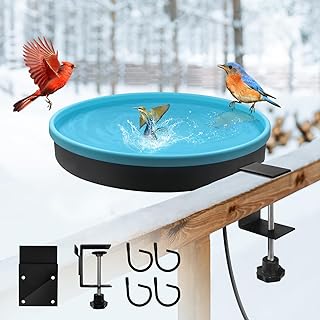
GESAIL Shallow Design Mount Outdoor Bird Bath with Detachable Decoration
Check PriceHow Heated Bird Baths Work
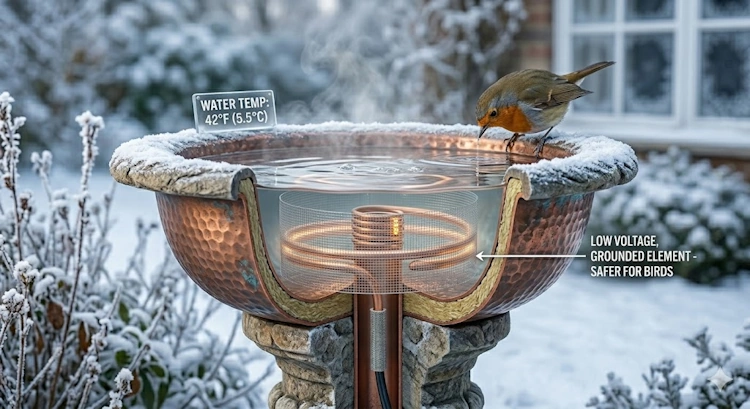
Most heated bird baths use a low-wattage heating element embedded in the basin or attached to the underside of the bath. These elements are designed to warm water just enough to prevent freezing, typically keeping temperatures between 40°F and 50°F (4°C to 10°C) even when air temperatures drop below zero. For a full breakdown of the mechanics, check out our guide to how heated bird baths operate.
They either plug into a standard outdoor electrical outlet or run on solar power (though solar models are less reliable in winter when daylight hours are short). All reputable models are thermostatically controlled, meaning they only turn on when temperatures drop below freezing to conserve energy.

Daoeny Heated Bird Bath with Thermostat
Check PriceAre Heated Bird Baths Safe for Birds? The Short Answer
Yes—heated bird baths are safe for birds when you choose a certified, well-made product and follow basic safety protocols. The risks associated with heated bird baths almost always stem from low-quality, uncertified models or improper installation, not the technology itself.
Birds have no natural aversion to warm water, and studies from the RSPCA confirm that access to unfrozen water in winter reduces bird mortality by up to 30% in harsh climates. The key is minimizing avoidable risks, which we’ll cover in detail below.
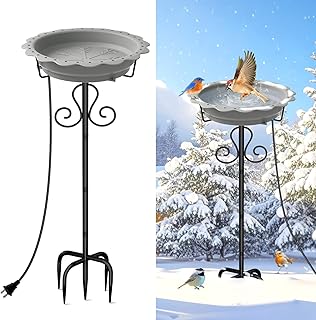
Webuys Heated Bird Bath for Outdoors with Thermostat
Check PricePotential Risks of Heated Bird Baths
While safe when used correctly, heated bird baths do carry a few potential hazards. Understanding these upfront helps you avoid them entirely.
Electrical Hazards
The biggest risk with any outdoor electrical product is frayed cords, exposed wires, or water seeping into electrical components. Cheap, uncertified heated bird baths often skip critical safety features like waterproof casing or ground fault circuit interrupter (GFCI) compatibility. If a bird pecks at an exposed wire, or a human touches a faulty cord while standing in wet grass, the results can be dangerous.
Thermal Burns
Low-quality heated baths may overheat if their thermostats fail, raising water temperatures high enough to burn a bird’s delicate feet or feathers. Reputable models cap water temperature at 50°F, which is warm enough to prevent freezing but far too cool to cause burns. Avoid models that don’t list a maximum water temperature or thermostat specs.
Water Quality Issues
Standing warm water can grow algae or bacteria faster than cold water, especially if you don’t clean the bath regularly. Dirty water can cause avian pox, mites, or digestive issues for birds that drink or bathe in it. Routine maintenance eliminates this risk entirely.
Predator Attraction
Heated bird baths attract more birds than non-heated models in winter, which can also draw predators like hawks, outdoor cats, or raccoons. Positioning your bath near dense shrubs where birds can take cover quickly eliminates most of this risk.
Proven Benefits of Heated Bird Baths for Birds
The benefits of heated bird baths far outweigh the risks when you use them safely. Here are the most impactful advantages for your local bird population:
Hydration in Freezing Temps
Birds need just as much water in winter as they do in summer—often more, since dry winter air dehydrates them faster. When all natural water sources freeze, a heated bath is the only reliable source of hydration for miles. This is especially critical for small birds like chickadees and wrens, which can die of dehydration in as little as 24 hours without water access.
Preening Support
Birds need water to preen, a process where they spread oil from their preen gland across their feathers to keep them waterproof and insulated. Without access to water, feathers become brittle and lose their insulating properties, making birds more susceptible to hypothermia. A heated bath lets birds preen year-round, even in subzero weather.
Migratory Bird Aid
Early migrating birds passing through your area in late winter often arrive to frozen landscapes. A heated bath provides a critical refueling stop for these travelers, giving them the hydration they need to continue their journey. You may spot species like robins or bluebirds in your yard weeks earlier than usual if you run a heated bath.
How to Use Heated Bird Baths Safely
Follow these simple steps to eliminate 99% of heated bird bath risks. Most of these protocols apply to standard bird baths too, so they’re good habits to build regardless of the season.
- Choose ETL/UL certified products only
- Plug into GFCI-protected outdoor outlets
- Check water temperature weekly for overheating
- Clean every 2 weeks with bird-safe cleaner
- Position near cover, 3+ feet off the ground
Choose Certified Products
Always buy heated bird baths that are ETL or UL certified—these certifications mean the product has been tested for electrical safety. Avoid no-name models sold on third-party marketplaces without clear safety certifications. For vetted options, check out our roundup of the best winter bird baths, all of which meet strict safety standards.
Install Correctly
Plug heated baths into a GFCI-protected outdoor outlet only. Never use extension cords, which can fray, overheat, or expose wires to water. If you must use an extension cord, choose a heavy-duty, outdoor-rated cord designed for cold weather, and keep it elevated off the ground to avoid standing water.
Monitor Water Temperature
Check your bath’s water temperature once a week during winter. If the water feels hot to the touch (over 70°F), unplug the bath immediately—its thermostat has failed. Replace the unit rather than trying to repair it, since heating elements are not user-serviceable.
Clean Regularly
Scrub your heated bird bath with a 10% bleach solution or bird-safe cleaner every 2 weeks in winter. Remove all debris, algae, and bird droppings to prevent bacteria growth. Always unplug the bath before cleaning, and let it dry completely before plugging it back in.
Position Strategically
Place your heated bath within 10 feet of dense shrubs or trees, so birds have a quick escape route from predators. Keep it at least 3 feet off the ground to deter raccoons and cats from reaching it. Avoid placing it under trees where falling branches or sap could damage the electrical components.
Heated Bird Bath vs. Non-Heated: Is It Worth It?
If you live in an area where winter temperatures drop below freezing for more than a few days a year, a heated bird bath is well worth the investment. Non-heated baths are useless for 3-4 months of the year in cold climates, while a heated model provides year-round value.
Heated baths use very little electricity—most models draw 50-150 watts, which costs less than $5 a month to run even in the coldest winters. Compare that to the cost of replacing a non-heated bath every few years when it cracks from freezing water, and heated models often pay for themselves over time.
For bird health, the difference is even starker. A 2022 study from the Cornell Lab of Ornithology found that yards with heated winter bird baths saw 40% more bird species than yards with only non-heated baths or no baths at all. You’ll attract a wider variety of birds, and support their survival through the toughest months of the year.
Frequently Asked Questions
Do heated bird baths use a lot of electricity?
No. Most heated bird baths use between 50 and 150 watts of electricity. Running a 100-watt model for 24 hours a day costs roughly $0.15 a day, or $4.50 a month, even at average U.S. electricity rates. Thermostatically controlled models use even less, since they only turn on when temperatures drop below freezing.
Can heated bird baths freeze?
They can if the heating element fails, or if you choose a model that isn’t powerful enough for your climate. If you live in an area with temperatures below -10°F, choose a heated bath with a 150-watt element or higher. Always check the manufacturer’s minimum operating temperature before buying.
Are heated bird baths safe for squirrels?
Yes. Squirrels are no more sensitive to the low water temperatures of heated bird baths than birds are. The same safety protocols apply—choose a certified model, install it correctly, and monitor for damage. Squirrels may visit your bath more often in winter, but they won’t be harmed by the warm water.
Should I leave a heated bird bath on all winter?
Yes, as long as temperatures are consistently at or below freezing. If you have a stretch of unseasonably warm weather (above 40°F for multiple days), you can unplug the bath to save energy. Never leave a heated bath plugged in if the basin is empty—running the heating element without water can cause it to overheat and fail.
Conclusion
So, are heated bird baths safe for birds? The answer is a resounding yes—as long as you prioritize safety from the start. Choose a certified, thermostatically controlled model, install it correctly, clean it regularly, and position it near cover to keep birds safe from predators.
The benefits for your local bird population are impossible to ignore: better hydration, healthier feathers, and support for migratory travelers. With a small upfront investment and minimal maintenance, a heated bird bath can become the most popular feature in your winter yard. Pick up one of our top-rated winter bird baths today, and start supporting your feathered friends all season long.
Hassan is a lifelong backyard birding enthusiast and the creator of Birdhouse Tales. Turning a passion for nature into a mission, they spend their days designing bird-approved DIY nesting boxes, testing squirrel-proof gear, and curating the best advice to help homeowners build safe wildlife sanctuaries. Whether you are trying to attract your first pair of bluebirds or looking for the perfect copper birdbath, Hassan provides practical, real-world guides to bring the joy of birdwatching right to your window.