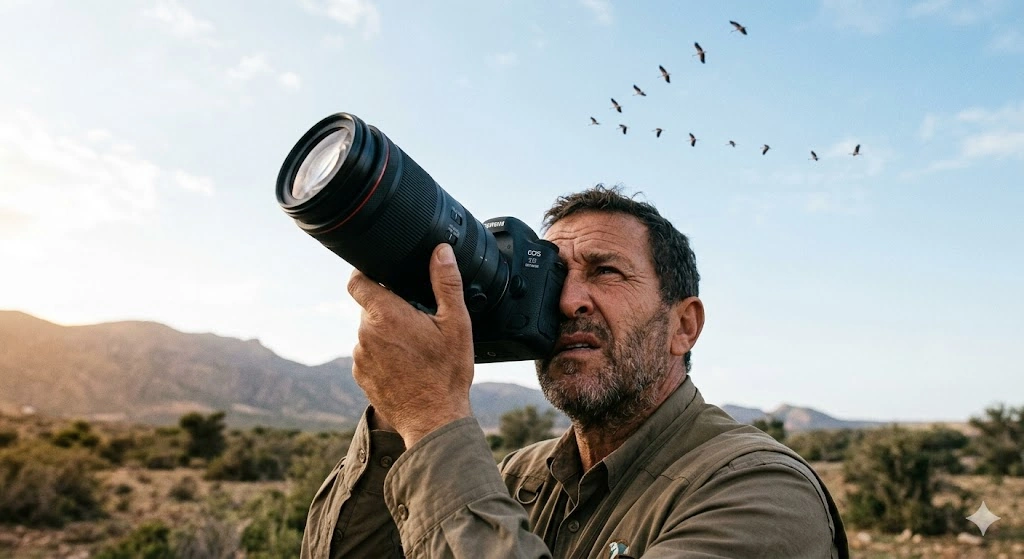
Bird photography is one of the most rewarding yet technically demanding genres of wildlife photography. Capturing sharp, detailed images of fast-flying, small, and often distant bird species requires a camera that delivers fast autofocus, reliable burst shooting, high resolution, and seamless compatibility with long telephoto lenses. Many photographers struggle to navigate Canon’s extensive camera lineup, unsure which model fits their skill level, budget, and specific bird photography needs—beginners often feel overwhelmed by complex pro features, while hobbyists and professionals need advanced performance to keep up with elusive birds in varying field conditions.
Whether you’re shooting backyard songbirds from your porch or trekking into the wilderness to photograph rare raptors, you need a Canon camera that balances portability, performance, and value. You want a model that works with long zoom lenses, handles low-light conditions well, and produces crisp, vibrant images that do justice to your feathered subjects.
Short Answer: The best overall Canon for bird photography is the Canon EOS 5D Mark IV DSLR Camera with EF 70-200mm f/2.8L Lens Bundle, which combines a full-frame 30.4MP sensor, 4K video recording, and Dual Pixel CMOS AF for unmatched speed and sharpness when capturing birds in motion.
Best Canon For Bird Photography of 2026
Maximizing the value of your Canon camera requires pairing it with the right location scouting and technical knowledge. Our birdwatching road trip planning guide helps you identify prime habitats where you can test your Canon gear on a wide variety of bird species, ensuring you get the most out of your equipment investment. For foundational techniques that complement your Canon setup, refer to this authoritative overview of bird photography techniques from Wikipedia, which covers best practices for lighting, composition, and ethical shooting that apply to all camera systems.
1. Canon EOS Rebel T7 Double Zoom Lens Kit – Budget-Friendly Beginner Kit

EOS Rebel T7 DSLR Camera Double Zoom Lens Kit with EF-S 18-55mm and EF 75-300mm Lenses, 24.1 Megapixel CMOS (APS-C) Sensor, Full HD Videos, Wi-Fi, Beginner Photographers, Digital Camera, Black
Check PriceWhy it stands out
This entry-level DSLR bundle includes two versatile zoom lenses right out of the box, making it an affordable all-in-one option for beginners looking to start bird photography without purchasing extra gear. The 24.1MP APS-C sensor delivers crisp images, while built-in Wi-Fi lets you quickly transfer shots to your phone for editing or sharing.
Key points
- Includes EF-S 18-55mm and EF 75-300mm zoom lenses for versatile framing
- 24.1MP APS-C CMOS sensor produces detailed, vibrant images
- Built-in Wi-Fi enables fast wireless photo transfers
- Full HD 1080p video recording for capturing bird behavior
Pros
- Extremely affordable for a two-lens DSLR bundle
- Lightweight and portable for long days in the field
- Intuitive controls suited for beginner photographers
- Compatible with all Canon EF and EF-S mount lenses
- Long battery life for extended shooting sessions
Cons
- 75-300mm lens has slow maximum aperture for low light
- No 4K video or advanced autofocus features
Best for
Absolute beginners on a tight budget who want an all-in-one kit to start experimenting with backyard and local bird photography.
2. Canon EOS 5D Mark IV DSLR with 70-200mm Lens Bundle – Pro-Grade Performance

EOS 5D Mark IV DSLR Camera 30.4MP Full Frame with 4K Video, Dual Pixel AF, Wi-Fi, GPS | Pro Photography Camera for Portraits, Landscapes, and Video + Canon EF 70-200mm f/2.8L Lens + Bag + More
Check PriceWhy it stands out
This professional-grade bundle pairs Canon’s flagship full-frame 5D Mark IV with a fast f/2.8L 70-200mm telephoto lens, delivering exceptional low-light performance, 4K video, and lightning-fast Dual Pixel AF that locks onto moving birds instantly. The full-frame sensor provides better dynamic range and detail than APS-C models, even when cropping into distant subjects.
Key points
- 30.4MP full-frame CMOS sensor for superior detail and dynamic range
- Dual Pixel CMOS AF delivers fast, accurate autofocus for moving birds
- Includes fast EF 70-200mm f/2.8L telephoto lens for crisp long shots
- Built-in Wi-Fi, GPS, and 4K video recording for versatile use
Pros
- Unmatched image quality and low-light performance
- Rugged, weather-sealed body for outdoor field use
- Compatible with all Canon EF mount L-series lenses
- 7fps continuous shooting for capturing fast bird motion
- Large, bright optical viewfinder for easy subject tracking
Cons
- High price point out of reach for most beginners
- Heavier and bulkier than entry-level DSLR models
Best for
Professional and advanced amateur photographers who need top-tier performance for serious bird photography, including wildlife expeditions and commercial work.
3. Canon EOS Rebel T7 18-55mm Lens Kit – Compact Entry-Level Option

EOS Rebel T7 DSLR Camera EF-S 18-55mm f/3.5-5.6 is II Lens Kit, 24.1 Megapixel CMOS (APS-C) Sensor, Full HD Videos, Built-in Wi-Fi, Beginner Photographers, Digital Camera, Black
Check PriceWhy it stands out
This stripped-down Rebel T7 kit is even more affordable than the double zoom bundle, making it a great choice for beginners who already own a telephoto lens or plan to purchase one separately. It retains the same 24.1MP APS-C sensor and Wi-Fi connectivity as the larger kit, in a lighter, more compact package.
Key points
- 24.1MP APS-C sensor delivers sharp, detailed images
- Compact, lightweight design for easy portability
- Built-in Wi-Fi for quick photo transfers and remote shooting
- Full HD 1080p video recording for bird behavior clips
Pros
- Lowest price point of all Canon DSLR options listed
- Simple, intuitive controls for new photographers
- Compatible with all Canon EF and EF-S lenses
- Long battery life for all-day shooting
- Quiet shutter for not disturbing sensitive birds
Cons
- Only includes 18-55mm lens, no telephoto included
- Limited autofocus points compared to pro models
Best for
Budget-conscious beginners who already own a telephoto lens or want to customize their lens setup separately for bird photography.
4. CHASING BIRDS Lens Camouflage Coat for RF 100-500mm – Stealth Field Protection

Lens Camouflage Waterproof Coat for Canon RF 100-500mm F4.5-7.1 L is USM Rainproof Lens Protective Cover Version IV (Forest Camouflage)
Check PriceWhy it stands out
This forest camouflage lens coat is designed specifically for Canon’s RF 100-500mm telephoto lens, the go-to long lens for many Canon bird photographers. It provides waterproof, rainproof protection for your expensive lens while breaking up its shape to avoid spooking skittish birds in the wild.
Key points
- Custom-fit for Canon RF 100-500mm f/4.5-7.1L IS USM lens
- Forest camouflage pattern blends into natural environments
- Waterproof, rainproof material protects against field weather
- Soft inner lining prevents scratches on lens barrel
Pros
- Affordable way to protect expensive telephoto lenses
- Helps avoid spooking birds with reflective lens surfaces
- Easy to install and remove in the field
- Durable, tear-resistant material for long-term use
- Compatible with lens hoods and tripod collars
Cons
- Only fits Canon RF 100-500mm lens, not other models
- Camouflage pattern may not match all environments
Best for
Canon photographers using the RF 100-500mm lens for field bird photography in wooded or natural environments.
How to Choose the Best Canon for Bird Photography
Selecting the right Canon camera for bird photography starts with evaluating your skill level and budget. Beginners should prioritize entry-level DSLRs like the Rebel T7 series, which offer intuitive controls and affordable bundle options that include starter lenses. Advanced photographers and pros will benefit from full-frame models like the 5D Mark IV, which deliver superior dynamic range, low-light performance, and faster autofocus for capturing moving birds.
Sensor size is a key consideration: APS-C sensors (like those in the Rebel T7) have a 1.6x crop factor, which effectively extends the reach of your telephoto lenses—ideal for distant birds. Full-frame sensors offer better detail and low-light performance but require longer, more expensive lenses to achieve the same framing. Autofocus speed is critical for bird photography: look for models with Dual Pixel CMOS AF or a high number of cross-type autofocus points to lock onto fast-moving subjects instantly.
Consider lens compatibility: Canon’s EF mount works with all EF and EF-S lenses, while newer RF mount models work with RF lenses (with an adapter for EF lenses). Burst shooting speed matters for capturing bird motion—aim for at least 5fps for beginners, 7fps or higher for pros. Portability is also important if you plan to hike to shooting locations: entry-level DSLRs are lighter than pro full-frame models. Finally, look for weather sealing if you plan to shoot in rain or humid conditions, to protect your gear from field damage.
Mistakes to Avoid When Buying a Canon for Bird Photography
One of the most common mistakes bird photographers make is buying a camera without ensuring it is compatible with long telephoto lenses. Canon’s APS-C crop factor can help extend lens reach, but you still need a lens with at least 200mm of focal length to capture distant birds—avoid kits that only include 18-55mm lenses if you plan to shoot wild birds, unless you purchase an additional telephoto lens separately.
Another frequent error is prioritizing megapixels over autofocus speed. While high resolution is nice for cropping, fast, accurate autofocus is far more important for capturing sharp shots of moving birds. Skipping models with Dual Pixel AF or advanced autofocus systems will lead to blurry, missed shots of fast-flying species. Many beginners also buy heavy pro models like the 5D Mark IV before they have the skills to use advanced features, leading to frustration and wasted money—start with an entry-level model and upgrade as your skills grow.
Ignoring weather sealing is another costly mistake. Bird photography often takes place outdoors in unpredictable conditions—rain, humidity, and dust can damage unprotected cameras quickly. Even if you shoot mostly in backyards, morning dew can cause moisture damage over time. Finally, forgetting to budget for extra batteries and memory cards is a common oversight: bird photography often involves long days in the field, and you don’t want to run out of power or storage mid-shoot. Always test a camera in-store if possible to ensure the controls feel comfortable in your hands before purchasing.
Frequently Asked Questions About Canon Bird Photography
- What Canon sensor size is best for bird photography? APS-C sensors are ideal for beginners and hobbyists, as their 1.6x crop factor extends telephoto lens reach. Full-frame sensors are better for pros needing superior low-light performance and detail.
- Do I need a full-frame Canon for bird photography? No—APS-C models like the Rebel T7 are more affordable and offer extra effective zoom reach, making them great for beginners. Full-frame is only necessary for advanced pros.
- What lens should I pair with my Canon for bird photography? Look for telephoto lenses with at least 200mm focal length—the EF 75-300mm included in Rebel T7 bundles is a good starter, while the EF 70-200mm f/2.8L is pro-grade.
- Is the Canon Rebel T7 good for bird photography? Yes, for beginners. It offers a 24.1MP sensor, Wi-Fi, and works with affordable telephoto lenses, making it a great entry-level option for backyard and local bird shots.
- What autofocus features should I look for in a Canon bird camera? Prioritize Dual Pixel CMOS AF, a high number of cross-type autofocus points, and fast continuous autofocus for locking onto moving birds instantly.
- How many megapixels do I need for bird photography? 24MP is sufficient for most hobbyists, allowing moderate cropping of distant birds. 30MP+ is better for pros who need to crop heavily for small, distant subjects.
- Is Wi-Fi important for Canon bird photography? Wi-Fi is convenient for transferring shots to your phone for quick editing or sharing, and enables remote shooting to avoid disturbing skittish birds.
- What is the best Canon camera for backyard bird photography? The Canon Rebel T7 Double Zoom Kit is ideal—affordable, includes telephoto lenses, and works well for stationary backyard birds.
- Do I need weather sealing for bird photography? Yes, if you plan to shoot in rain, humidity, or dusty conditions. Weather-sealed models like the 5D Mark IV resist field damage better than entry-level DSLRs.
- What is the best budget Canon for bird photography? The Canon Rebel T7 18-55mm Kit is the most affordable option, letting you save money to purchase a separate telephoto lens for bird shots.
Conclusion
Choosing the best Canon for bird photography ultimately comes down to your skill level, budget, and specific shooting needs. For beginners on a tight budget, the Canon EOS Rebel T7 Double Zoom Lens Kit is the clear winner—it includes two versatile lenses, intuitive controls, and delivers crisp 24.1MP images at an unbeatable price. If you already own a telephoto lens, the Rebel T7 18-55mm Kit is an even more affordable entry point.
For professional and advanced photographers, the Canon EOS 5D Mark IV DSLR with EF 70-200mm Lens Bundle is the gold standard, offering full-frame performance, 4K video, and lightning-fast Dual Pixel AF that captures even the fastest birds in perfect focus. Don’t forget to pair your camera with essential accessories like the CHASING BIRDS lens camouflage coat to protect your gear and avoid spooking wild birds.
If you’re doing controlled bird photography sessions with pet or rescue birds, the Yaheetech flight cages and bird toys listed above will help you create engaging, professional-looking setups that produce standout shots. No matter which Canon you choose, prioritize fast autofocus, lens compatibility, and portability to ensure you never miss a shot of your feathered subjects. With the right gear, you’ll be capturing stunning bird photos in no time.
Backyard shooting offers a low-pressure way to refine your skills with your new Canon camera between longer field trips. The top-rated window bird feeders attract birds right to your home, letting you practice with your Canon’s autofocus, zoom, and low-light settings without traveling far, making them an essential tool for photographers of all skill levels.
Hassan is a lifelong backyard birding enthusiast and the creator of Birdhouse Tales. Turning a passion for nature into a mission, they spend their days designing bird-approved DIY nesting boxes, testing squirrel-proof gear, and curating the best advice to help homeowners build safe wildlife sanctuaries. Whether you are trying to attract your first pair of bluebirds or looking for the perfect copper birdbath, Hassan provides practical, real-world guides to bring the joy of birdwatching right to your window.