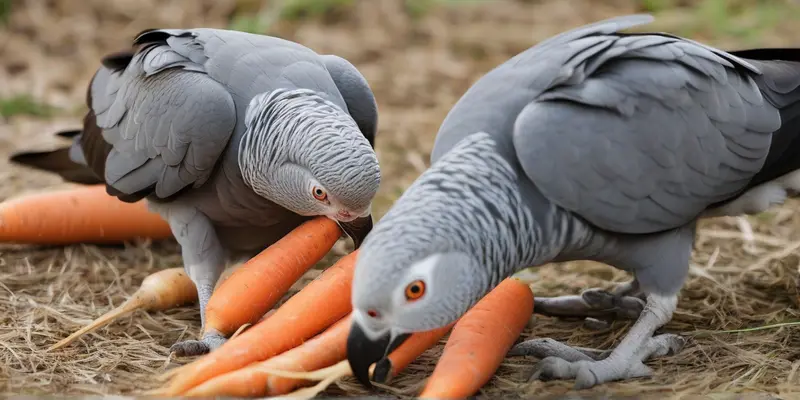
If you’re a pet parent to an African grey parrot, you’ve probably paused while chopping veggies to ask: Can African greys eat carrots? It’s a common question, especially since these intelligent, sensitive birds have specific dietary needs that differ from those of other parrot species. African greys are prone to nutritional deficiencies if fed an imbalanced diet, so it’s smart to double-check every new food before offering it. For a full breakdown of their core dietary requirements, start with our guide to the best food for African grey parrots to build a solid foundation.
Carrots are a staple vegetable in most human kitchens, but are they safe for your feathered friend? Below, we’ll cover everything you need to know: safety, nutritional benefits, proper prep, portion sizes, risks, and answers to common owner questions. We’ll also reference guidelines from avian health authorities to ensure you’re getting accurate, trustworthy advice.

Kaytee Forti-Diet Pro Health Nourish+Protect Parrot Food, Comprehensive Nutrition Backed by Science, Digestive Health, Immune Support, 5 pounds
Check PriceAre Carrots Safe for African Greys?
The Short Answer
Yes, carrots are completely safe for African greys to eat, as long as they are prepared properly and fed in moderation. They are non-toxic, easy to digest for most birds, and pack a nutritional punch that supports overall health. This answer holds true for both raw and cooked carrots, though there are minor differences in nutrient availability between the two (more on that later).
Why Carrots Are Non-Toxic for African Greys
Unlike foods such as avocado, chocolate, or caffeine (all toxic to parrots), carrots contain no compounds that harm African greys. They are part of the Apiaceae family, which also includes parsley, celery, and parsnips – all safe for parrots in small amounts. The only exception is if the carrots are moldy, rotten, or coated in added salts, sugars, or seasonings, which can make them unsafe. Always stick to plain, fresh carrots with no additives.
Volkman Avian Science Super African Grey Bird Food 4lb
Check PriceNutritional Benefits of Carrots for African Greys
Carrots are often praised for their high vitamin A content, and for good reason: African greys are one of the parrot species most prone to vitamin A deficiency. As noted in the Merck Veterinary Manual’s guide to bird nutrition, vitamin A is critical for maintaining healthy feathers, beak tissue, respiratory function, and immune response in psittacine birds. Carrots deliver this nutrient in the form of beta carotene, a precursor that your bird’s body converts to vitamin A as needed, reducing the risk of toxicity from preformed vitamin A supplements.
Key Vitamins and Minerals
Beyond vitamin A, carrots offer a range of other nutrients that support African grey health:
- Vitamin K1: Supports blood clotting and bone health, which is important for active birds that climb and chew.
- Potassium: Regulates fluid balance and nerve function, helping your bird maintain steady energy levels.
- Biotin: Promotes healthy feather growth and strong beak tissue, reducing the risk of beak overgrowth or brittle feathers.
- Vitamin B6: Aids in brain health and red blood cell production, supporting the cognitive function African greys are famous for.
Fiber Content for Digestive Health
African greys have sensitive digestive systems, and a diet low in fiber can lead to issues like crop impaction or irregular droppings. Carrots contain both soluble and insoluble fiber: soluble fiber feeds healthy gut bacteria, while insoluble fiber adds bulk to stool to keep digestion regular. For birds that primarily eat pelleted diets (which are often low in fiber), adding small amounts of carrot can help balance their digestive health.
Low-Calorie Treat Option
Many parrot owners struggle with overweight birds, as African greys love high-fat seeds and nuts. Carrots are 88% water and only 41 calories per 100 grams, making them a filling, low-calorie treat that won’t contribute to weight gain. They’re also crunchy, which satisfies your bird’s natural urge to chew – a win-win for mental and physical health.

ZuPreem Pure Fun Bird Food, Parrot, Conure, Caique, African Grey, Eclectus, Small Cockatoo, Seed and Pellet Blend for Medium Large Birds, Bird Food Mixer Topper, Enriching Variety (ML, 2 lbs)
Check PriceHow to Prepare Carrots for Your African Grey
Proper prep is key to making carrots safe and enjoyable for your African grey. Even though they’re non-toxic, poor prep can introduce choking hazards or pesticide exposure. Follow these steps to get carrots ready for your bird.
Raw vs. Cooked Carrots: Which Is Better?
Both raw and cooked carrots are safe, but they offer slightly different benefits:
- Raw carrots: Retain more heat-sensitive vitamins like vitamin C and B vitamins. They’re also crunchier, which helps wear down your bird’s beak naturally. However, raw carrots are slightly harder to digest for birds with sensitive crops.
- Cooked carrots: Steaming or boiling carrots breaks down cell walls, making beta carotene more bioavailable (easier for your bird to absorb). They’re also softer, which is better for older birds or those with digestive issues. Avoid frying, roasting with oil, or adding salt/butter.
Washing and Peeling: Do You Need To?
Always wash carrots thoroughly under cold running water, even if you plan to peel them. Conventional carrots are often treated with pesticides and wax coatings that can irritate your bird’s digestive system. Peeling is optional: carrot skins contain extra fiber and nutrients, but if you’re concerned about pesticide residue, peeling removes most surface contaminants. Organic carrots are ideal, as they have little to no pesticide exposure.
Safe Serving Sizes and Frequency
Carrots should make up no more than 10% of your African grey’s daily diet, per avian veterinary guidelines. For an average adult African grey (weighing 400-600 grams), a safe serving size is 1-2 small baby carrots, or 1-2 tablespoons of chopped carrots, 2-3 times per week. Overfeeding carrots can lead to loose droppings (from excess fiber) or beta carotene buildup, which may turn your bird’s feathers or skin a slight orange tint (harmless, but a sign to cut back).
Creative Ways to Serve Carrots
African greys are intelligent and easily bored, so mixing up how you serve carrots keeps them interested:
- Shred raw carrots into their daily salads for easy eating.
- Thread cooked carrot chunks onto a skewer for a foraging toy.
- Freeze small carrot sticks for a cool summer treat.
- Mix mashed cooked carrots with a small amount of plain, unsweetened yogurt (safe for birds in moderation) for a creamy snack.
If you’re looking for safer produce options to rotate with carrots, check out our full What Can African Greys Eat guide for a comprehensive list.
Risks and Precautions When Feeding Carrots
While carrots are safe overall, there are a few risks to watch for to keep your bird healthy.
Choking Hazards
Large, hard chunks of raw carrot can get stuck in your bird’s crop or throat, leading to choking. Always chop carrots into small, bite-sized pieces (no larger than the size of your bird’s beak) or grate them for smaller birds. Avoid giving whole carrots to African greys, even if they’re large – they may bite off a piece too big to swallow.
Pesticide Residue Concerns
As mentioned earlier, non-organic carrots may carry pesticide residue that can accumulate in your bird’s system over time. Birds have faster metabolisms than humans, so even small amounts of toxins can cause health issues. Stick to organic carrots when possible, or wash conventional carrots with a produce brush and a solution of 1 part vinegar to 3 parts water to remove residue.
Overfeeding and Beta Carotene Buildup
Unlike preformed vitamin A (found in supplements and animal products), beta carotene from carrots is not toxic in high doses – your bird’s body will simply stop converting it to vitamin A when levels are sufficient. However, excess beta carotene can cause a harmless condition called carotenemia, which turns the skin or feathers a yellow-orange tint. If you notice this, reduce carrot servings for a week or two, and the color will fade. True vitamin A toxicity is only a risk if you’re also feeding high-dose vitamin A supplements alongside carrots.
Foods to Never Pair with Carrots
Avoid serving carrots with these unsafe foods:
- Avocado: Contains persin, which is toxic to birds.
- Chocolate or caffeine: Both are toxic to parrots, even in small amounts.
- Salty or seasoned snacks: Added salt can cause dehydration or kidney issues in birds.
- Onions or garlic: Can cause anemia in birds if fed in large amounts.
Frequently Asked Questions
Can African greys eat carrot tops?
Yes, carrot tops (the green leafy parts) are safe for African greys to eat in small amounts. They contain even more vitamin K and antioxidants than the carrot root, but they’re also higher in oxalates, which can bind to calcium and reduce absorption. Feed carrot tops no more than once a week to avoid calcium deficiency.
Can baby African greys eat carrots?
Yes, but only cooked, mashed carrots. Baby birds have softer crops and beaks, so raw carrots are a choking hazard. Wait until the baby is fully weaned and eating solid food before introducing small pieces of raw carrot. Always consult your avian vet before adding new foods to a baby bird’s diet.
Can carrots cause diarrhea in African greys?
Excess fiber from too many carrots can lead to loose, watery droppings, which may look like diarrhea. If your bird’s droppings are normal after reducing carrot servings, the carrots were the cause. If droppings stay loose for more than 24 hours, contact your avian vet, as this could indicate a more serious issue.
Do African greys like carrots?
Most African greys enjoy carrots, especially raw ones for the crunch factor. Some birds may be picky, so try serving them different ways (shredded, cooked, frozen) to see what your bird prefers. If your bird rejects carrots entirely, don’t force it – there are plenty of other safe vegetables to offer.
Conclusion
So, to circle back to the original question: can African greys eat carrots? The answer is a resounding yes – they’re a safe, nutritious, low-calorie treat that supports your bird’s vitamin A needs, digestive health, and mental stimulation. Remember to prep them properly: wash thoroughly, chop into small pieces, and feed in moderation as part of a balanced diet that includes pellets, other vegetables, and small amounts of fruit and nuts.
Always monitor your bird’s reaction when introducing new foods, and consult your avian vet if you notice any changes in appetite, droppings, or behavior. With proper prep and portion control, carrots can be a regular, healthy part of your African grey’s meal rotation for years to come.
Hassan is a lifelong backyard birding enthusiast and the creator of Birdhouse Tales. Turning a passion for nature into a mission, they spend their days designing bird-approved DIY nesting boxes, testing squirrel-proof gear, and curating the best advice to help homeowners build safe wildlife sanctuaries. Whether you are trying to attract your first pair of bluebirds or looking for the perfect copper birdbath, Hassan provides practical, real-world guides to bring the joy of birdwatching right to your window.